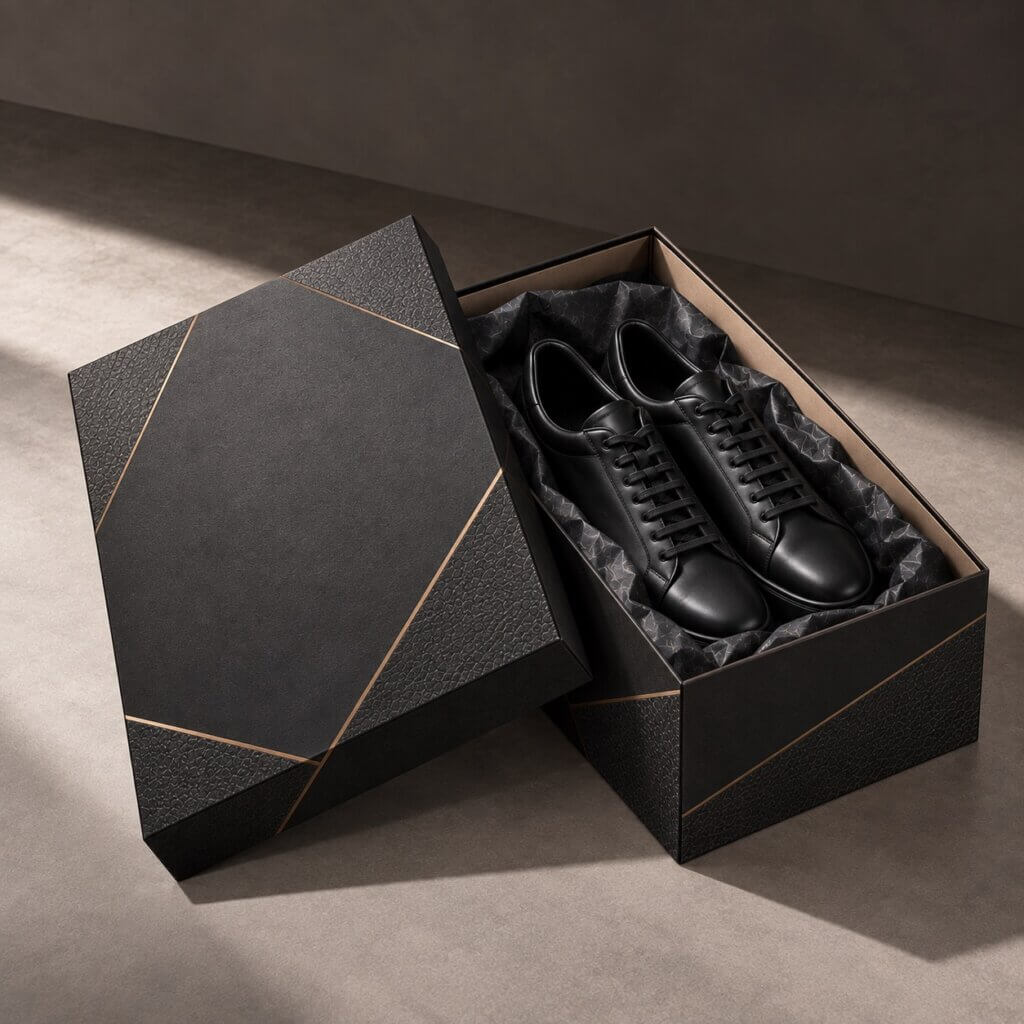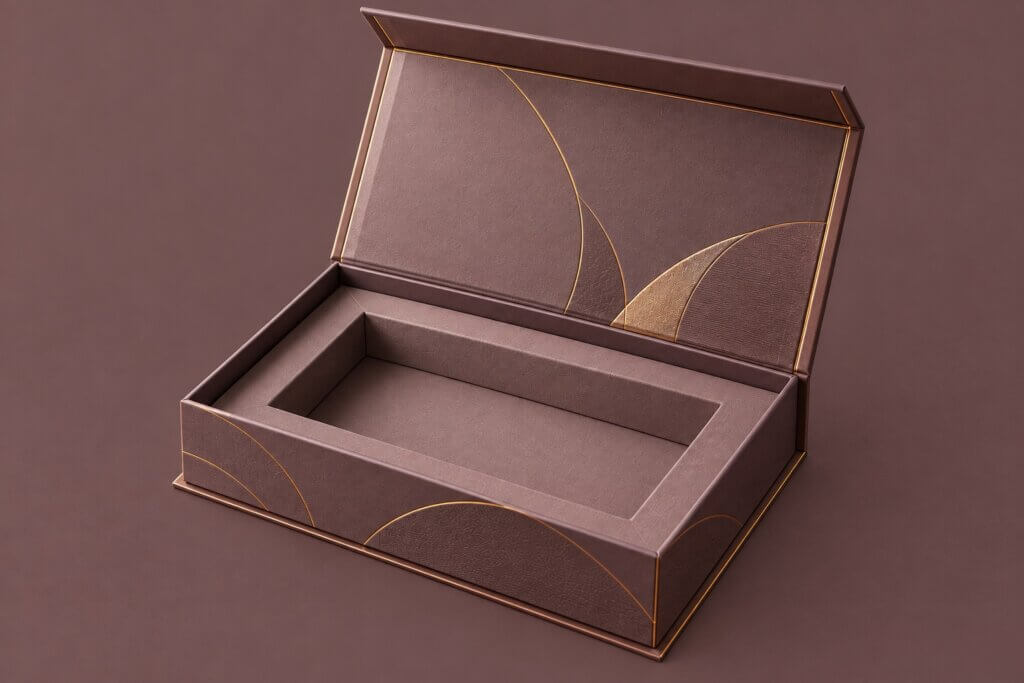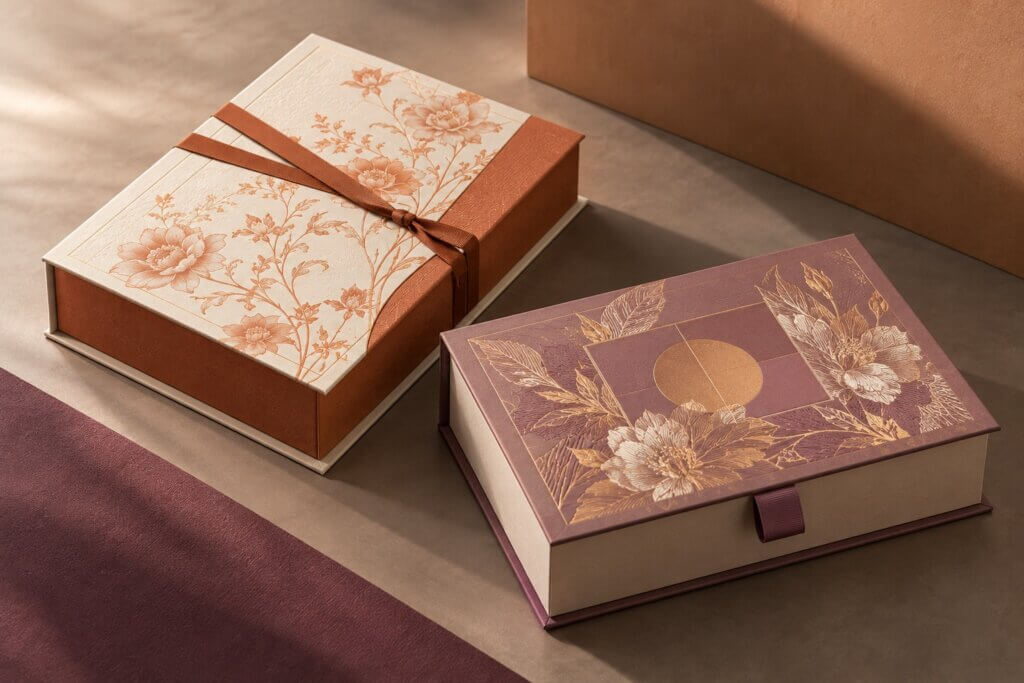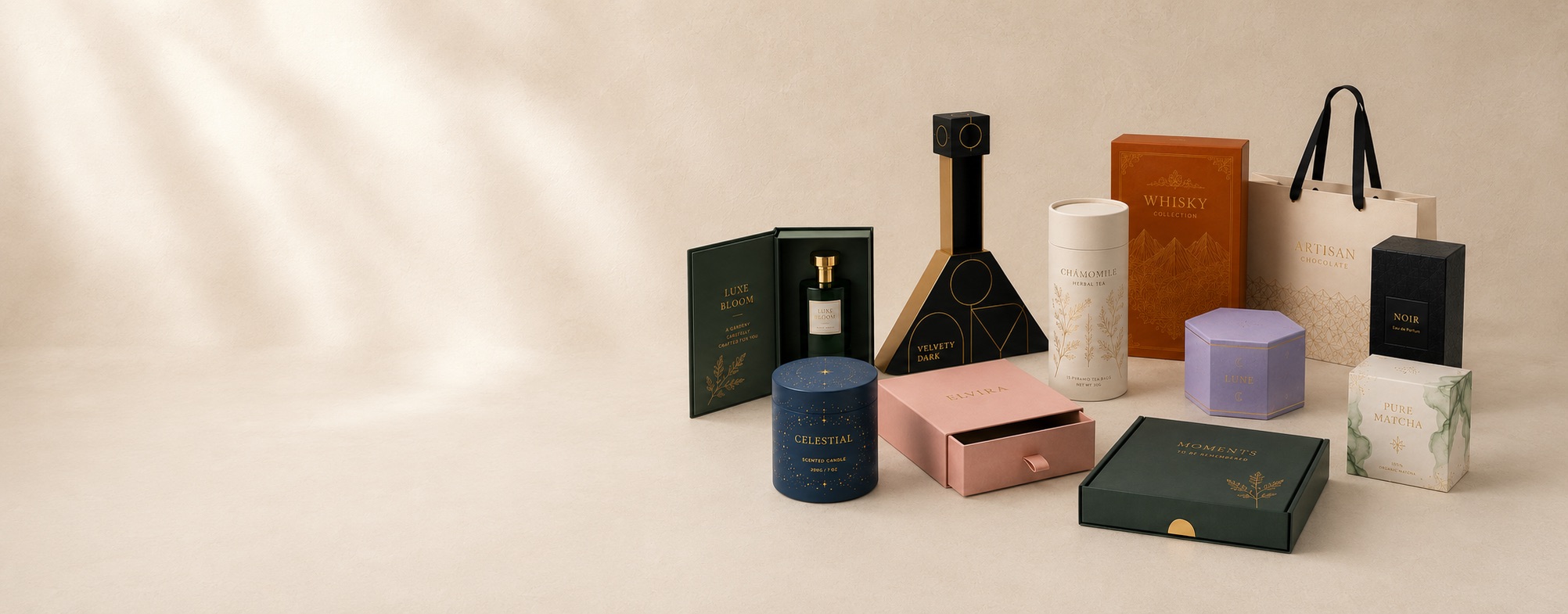

Choosing packaging by appearance alone is one of the easiest ways to create problems later in production. Two products may have similar dimensions and even sit on the same retail shelf, yet require very different packaging once weight, fragility, surface sensitivity, product movement, storage, and transportation are considered.
That is why a packaging project should usually begin with the product rather than the box style. Lightweight retail products may work well in folding cartons , while products that need a more substantial presentation may benefit from drawer boxes. For apparel and retail sets, paper bags may become part of the overall packaging system rather than simply an accessory.
The important question is not which structure looks more premium. It is what the package needs to control from the moment the product is packed until the customer opens it.
Start With the Product Before Choosing the Structure
Before a dieline is developed, several practical details should already be clear: the product’s actual dimensions, weight, shape, surface condition, number of components, orientation inside the package, sales channel, and likely shipping environment.
Even a small dimensional difference can matter. A carton that is slightly too loose may allow a glass bottle to move repeatedly during transport. A package that is too tight can create pressure on a brittle product, make removal difficult, or leave visible abrasion on a coated or delicate surface.
This is also why using only the outside dimensions of an existing box can be misleading. Packaging should normally be developed around usable internal space, the thickness of the material, and any insert or divider that occupies part of that space.
Once these conditions are understood, structure selection becomes much more rational.
Personal Care Packaging Has More Than One Type of Risk
Bath bombs, soap bars, and beard oils all belong broadly to personal care, but their packaging problems are not the same.
Bath bombs are relatively brittle and can chip or crumble when they move inside a package. Their performance can also be influenced by storage conditions and by how the product is wrapped before it enters the paper package. When brands source custom bath bomb boxes wholesale, the decision therefore should not be based only on printing and unit price. Product clearance, board stiffness, internal separation, and whether the pack is intended for a single bath bomb or a multi-piece set can all affect the result.
For a single product, a correctly sized folding carton may be enough. For several bath bombs in one box, a paper divider or fitted tray can help prevent repeated contact between products. The insert should control movement without compressing the product unnecessarily. If moisture protection is critical, that function should be considered as part of the complete packaging system rather than assumed to come from the paper carton alone.
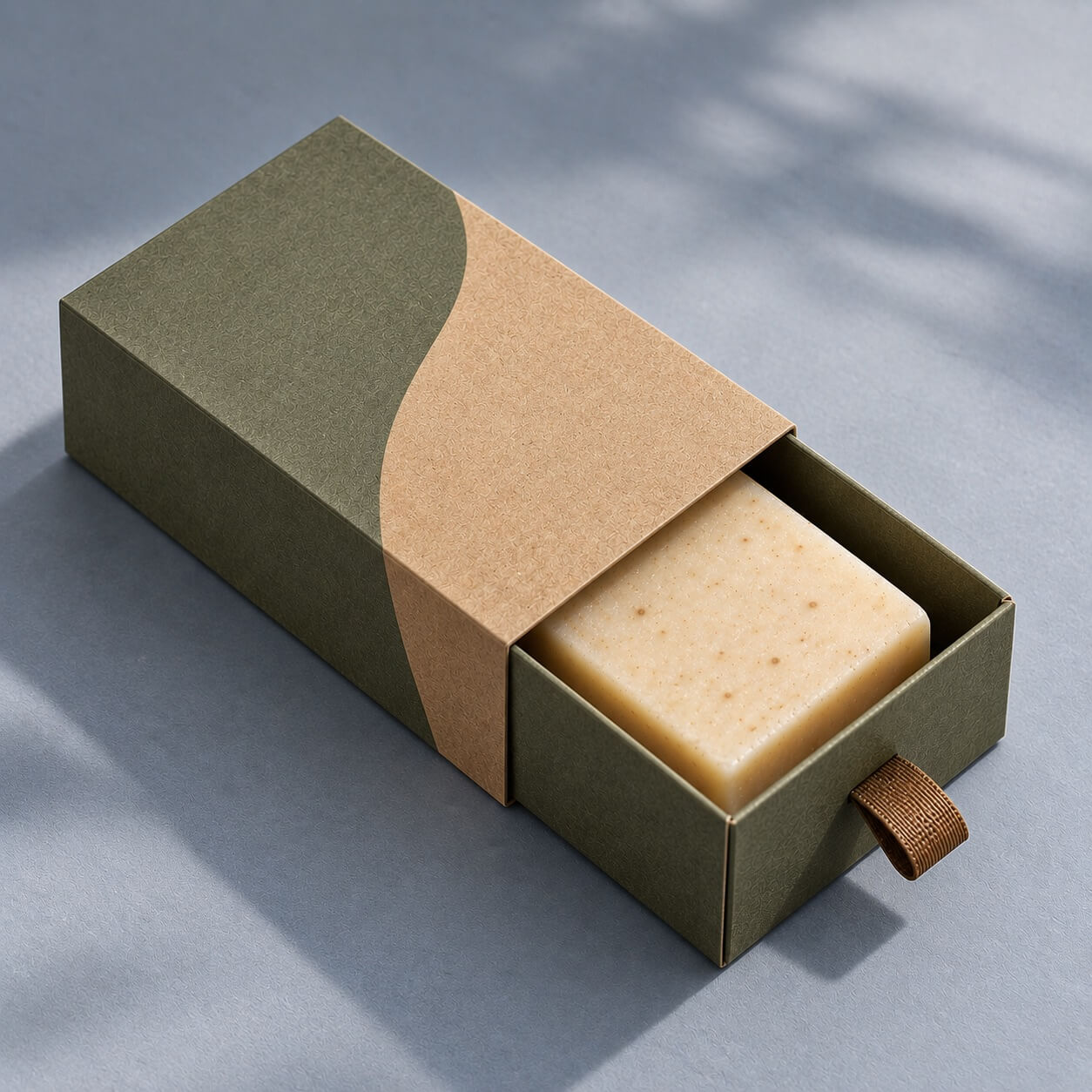
Soap creates a different set of considerations. Kraft soap boxes can suit brands looking for a natural paper appearance, but kraft is not automatically the correct material for every soap. The decision should also consider surface oils, fragrance, printing requirements, retail handling, and whether the product uses a separate primary wrap or barrier layer before it is placed inside the carton.
This distinction matters because the printed paper carton and the product-contact layer do not always perform the same function. For soaps with higher oil or fragrance migration, the complete packaging system should be evaluated rather than relying on the outer carton alone.
Beard oil adds another variable because the bottle itself becomes part of the engineering problem. With custom beard oil boxes, the carton has to account for bottle diameter, cap or dropper height, glass weight, and the possibility of movement at the top and bottom of the bottle. For heavier glass containers, adding structure in the right place is usually more valuable than simply increasing paper thickness everywhere.
The broader lesson is that products within the same category should not automatically be given the same packaging solution. Similar branding does not always mean similar structural requirements.
Apparel Packaging Is Driven More by Presentation and Volume
Clothing usually does not need the same impact protection as glass bottles or brittle products. Its challenge is different: maintaining a controlled fold, keeping the product visually presentable, and avoiding excessive package volume.
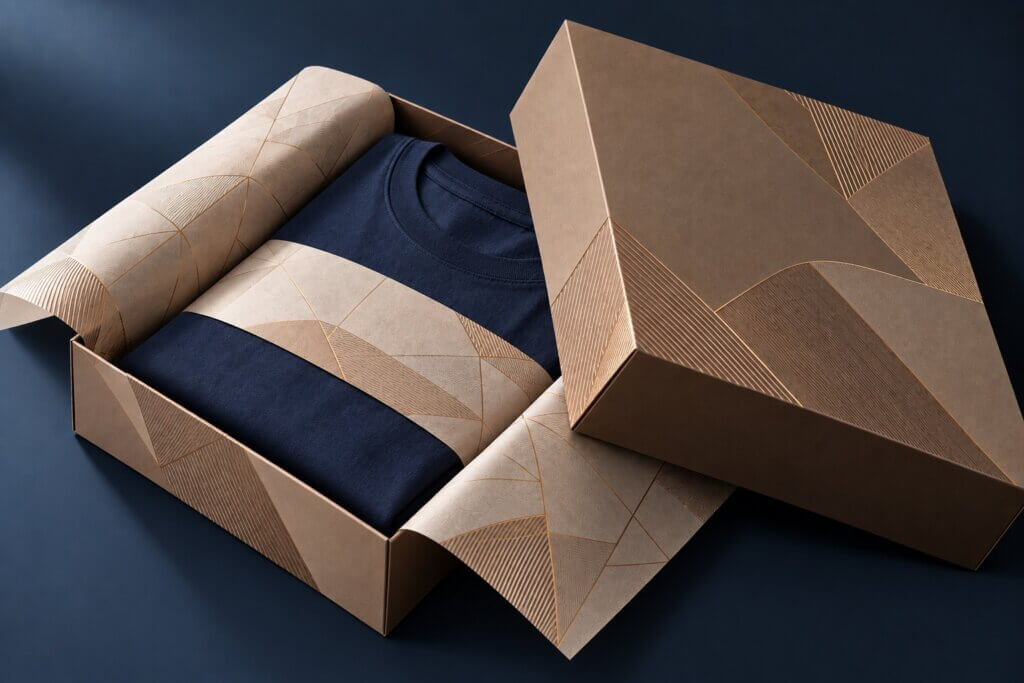
That is why custom shirt boxes are often relatively shallow compared with many other gift packages. The internal dimensions need to match the intended folding method rather than just the unfolded garment dimensions. If the package is too deep, the shirt can shift and lose presentation. If it is too shallow, the lid or carton panels may press against the garment.
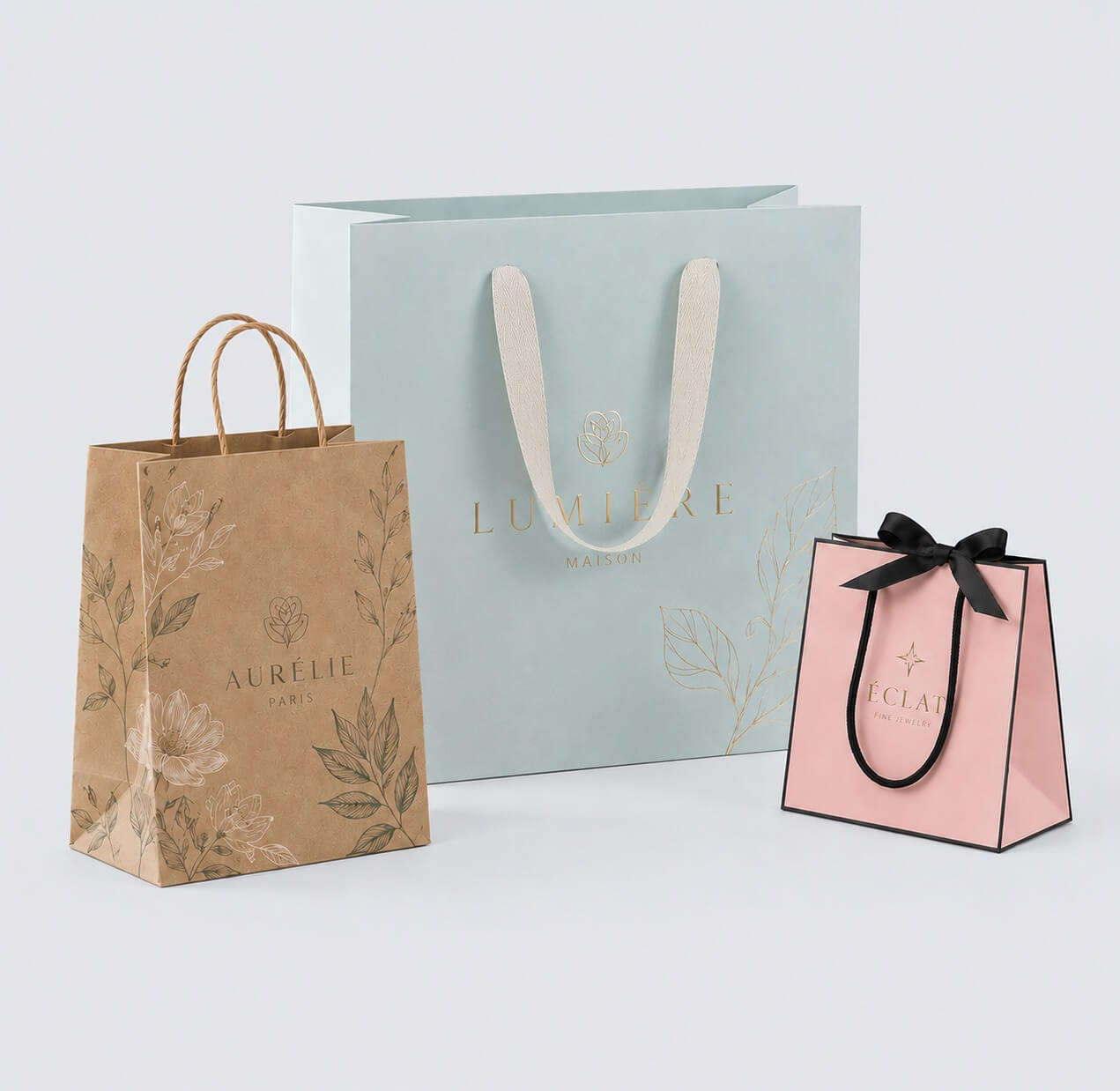
For brands considering custom packaging bags for clothing, the bag and the box should also be viewed as parts of the same system. A retail paper bag may need to accommodate a folded carton without excessive free space, while an e-commerce shipping bag has a completely different role.
This distinction matters because retail presentation and transport protection should not be confused. One component can carry the branding experience while another handles the mechanical demands of shipping.
Trying to make one layer of packaging perform every function usually adds material without necessarily improving the overall result.
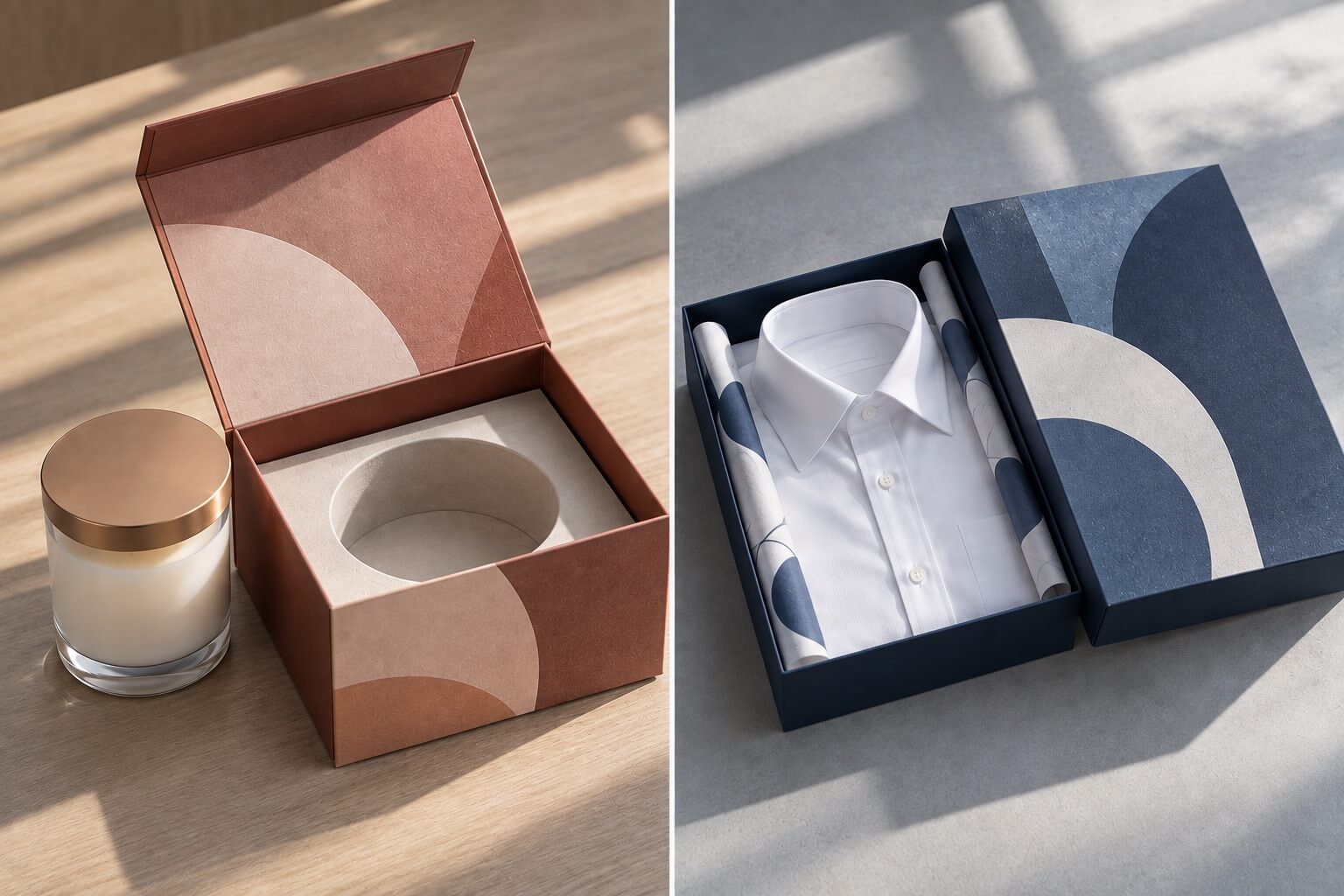
Candles Need Control Around the Product, Not Just a Strong Outer Box
Candles can appear structurally simple until glass jars, heavy wax, lids, or decorative surfaces are introduced.
With rigid candle boxes, rigidity alone does not guarantee protection. If the candle has noticeable free movement inside the package, the weight of the jar can repeatedly load the edges, insert surfaces, and corners during handling.
The solution may be a fitted paperboard insert, a raised platform, a neck support, or a combination of structural features depending on the container shape. The objective is to control movement while still allowing the customer to remove the product without excessive force.
This is why a physical sample is particularly useful for heavier products. A rendering can confirm proportions and graphics, but it cannot fully show friction, removal force, lid clearance, insert compression, or how the package behaves when the product is actually loaded.
For candle packaging, the outer box and the internal support should therefore be developed together rather than treated as two unrelated parts.
Toy Packaging Has to Manage Shape, Visibility, and Assembly
Toy packaging creates another type of structural problem because the products are often irregular and may include several loose components.
For custom toy packaging boxes, the first decision is often whether the product should be fully enclosed, partly visible, or presented through an opening or window. That choice affects far more than appearance. It changes panel strength, insert design, assembly sequence, packing efficiency, and sometimes transport protection.
A large display window, for example, removes part of the structural area of a carton. If the remaining frame is too narrow or the board is too light, the front panel may distort more easily. Likewise, an irregular toy may require locking points or internal supports that keep it in position without making assembly unnecessarily slow.
This is where packaging engineering and packing efficiency need to be considered together. A structure that performs well once assembled may still be unsuitable if every unit takes too long to load on the packing line.
For larger production runs, this difference can become commercially significant because assembly time affects labor cost, output speed, and consistency.
Chocolate and Candy Packaging Need Organization as Much as Decoration
Chocolate and confectionery packaging is often treated primarily as a visual design project, especially when the product is sold as a gift. In practice, product layout is just as important.
With chocolate custom packaging, the number of pieces, product size, orientation, spacing, and removal method should be established before the outer box is finalized. A tray that looks attractive while empty may not work once real chocolates are loaded if the cavities are too loose, too tight, or difficult to access.
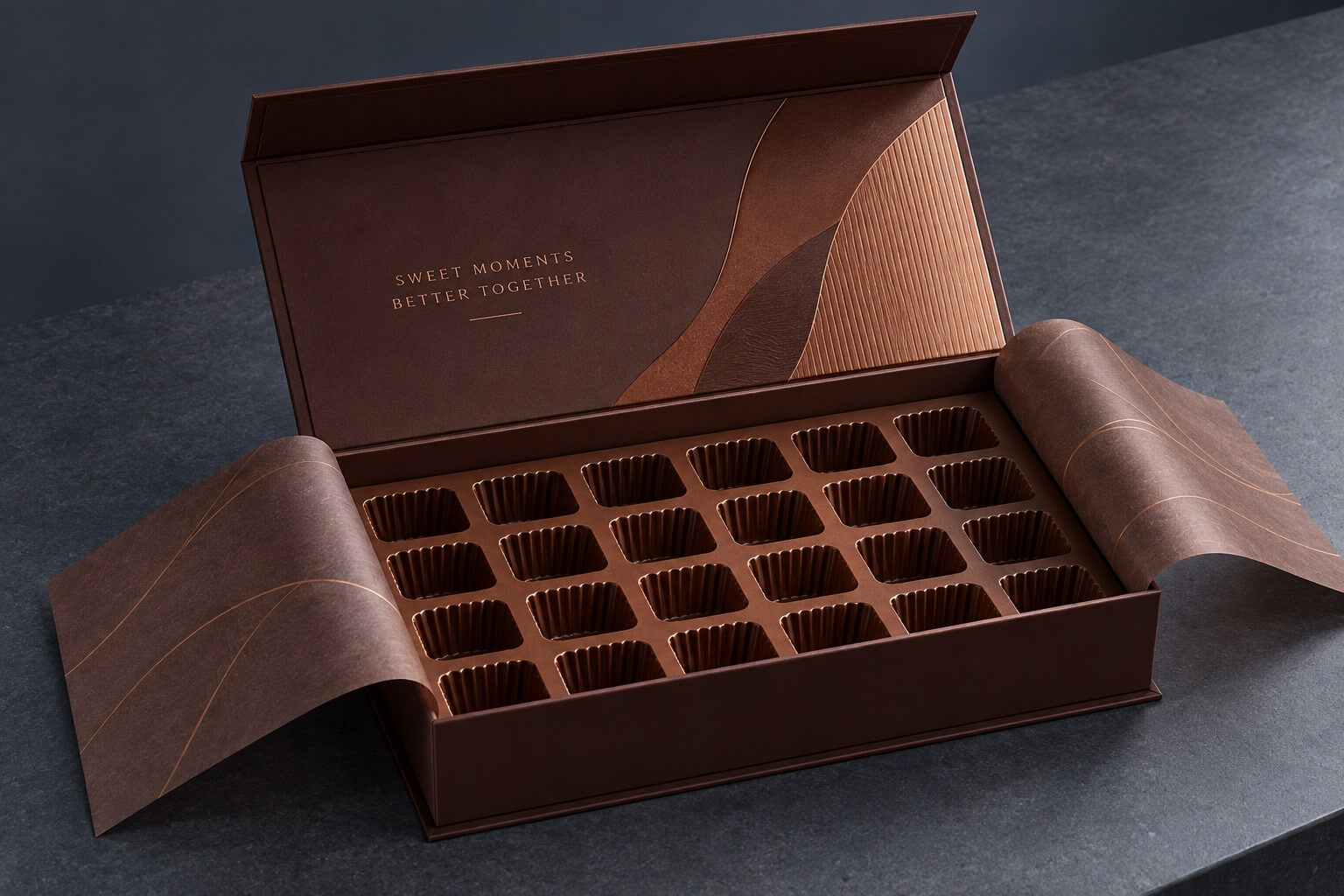
The same principle applies when buyers compare candy packaging manufacturers. The useful comparison is not only printing quality or the price of the outer box. It also includes whether the supplier can translate a product arrangement into a practical tray, divider, or carton that can be manufactured consistently at scale.
For chocolate and confectionery products, the printed paper box should not automatically be treated as the direct food-contact layer. The actual packaging system may include liners, wraps, trays, cups, or other food-contact components, depending on the product and applicable compliance requirements. The outer carton should therefore be designed around the complete packed product rather than around the confectionery item in isolation.
That difference is easy to miss during early concept development, but it can affect both structural dimensions and the materials selected later in the project.
Retail and E-Commerce Packaging Should Not Be Evaluated in the Same Way
Another common question is whether the same custom package can be used for both retail and online sales.
Sometimes it can, but the evaluation criteria change.
Retail packaging is usually judged heavily on shelf presentation, access to product information, opening experience, and how efficiently it occupies display space. E-commerce introduces additional handling, stacking, parcel movement, and secondary shipping packaging.
A delicate retail carton does not necessarily need to become a heavy shipping box. In many cases, the better approach is to keep the branded package appropriate for the product and use a separate transport solution around it.
This avoids adding unnecessary material to every retail unit simply because some orders will travel through parcel networks.
For brands selling through both channels, it is often more efficient to define the role of each packaging layer rather than forcing one structure to solve every problem.
Wholesale Quantity Does Not Fix a Weak Structure
Bulk purchasing can reduce unit costs, but quantity does not make an unsuitable design more suitable.
This is especially important when sourcing packaging across several SKUs. A brand may want one common structure for bath bombs, soap, candles, or related products because it simplifies purchasing. That can work when the products share similar dimensions and mechanical requirements, but forcing very different products into one structure can create excess space, unnecessary inserts, or inconsistent presentation.
At Demei Packaging, most custom packaging projects start from 500 pieces, but the final MOQ depends on the box type, structure, materials, and finishing requirements.
Before mass production, it is usually more valuable to resolve the structural questions first: Does the product move? Is removal comfortable? Does the package deform when loaded? Are the internal clearances repeatable? Can the operator assemble and pack it efficiently?
These are exactly the details that a physical sample can reveal before they become production-scale problems.
A lower unit price has limited value if the final package requires extra rework, slower packing, added inserts, or changes after production has already started.
Good Packaging Starts With the Product, Not With a Box Catalogue
Different product categories need different packaging because they introduce different mechanical, visual, and operational requirements.
A bath bomb needs control against movement and damage. A shirt needs controlled presentation without unnecessary volume. A glass candle needs support around a relatively heavy container. A toy may need visibility and multiple fixing points. Chocolate packaging has to organize several pieces while still delivering a clean opening experience.
The structure should follow those conditions.
For brands developing custom packaging, the most reliable process is therefore to define the product first, identify the main risks, choose a suitable structure, decide how the product will be held inside it, and then refine materials, printing, and finishes around that foundation.
When those decisions happen in the right order, packaging becomes easier to sample, easier to manufacture consistently, and more likely to perform as intended beyond the first prototype.