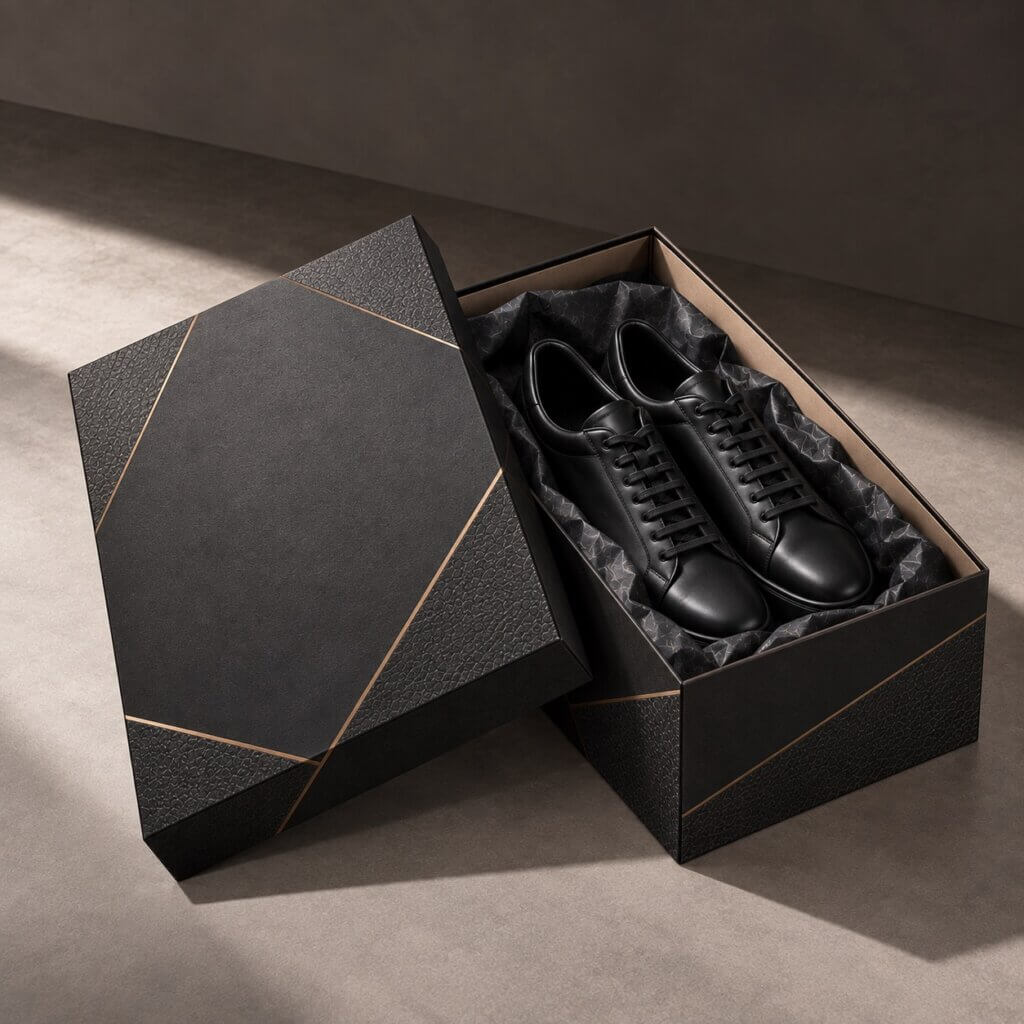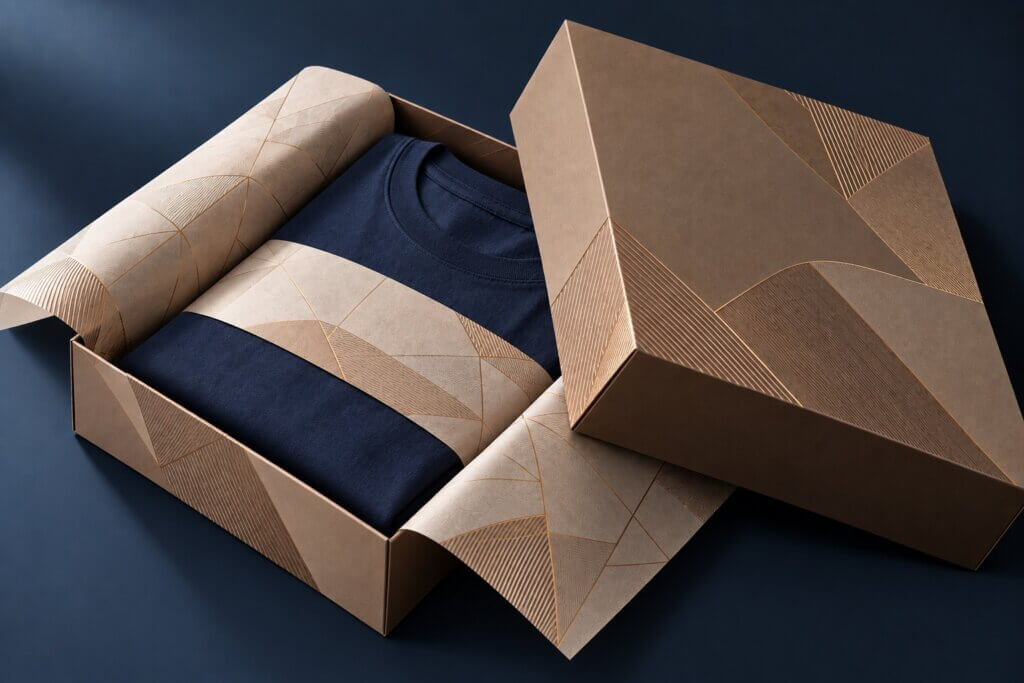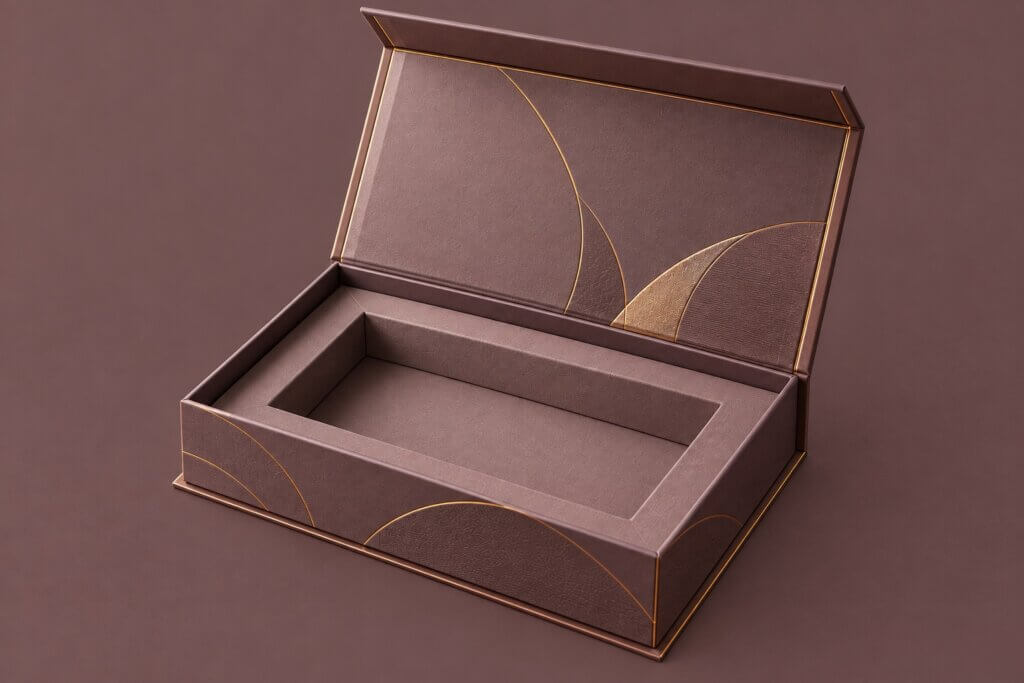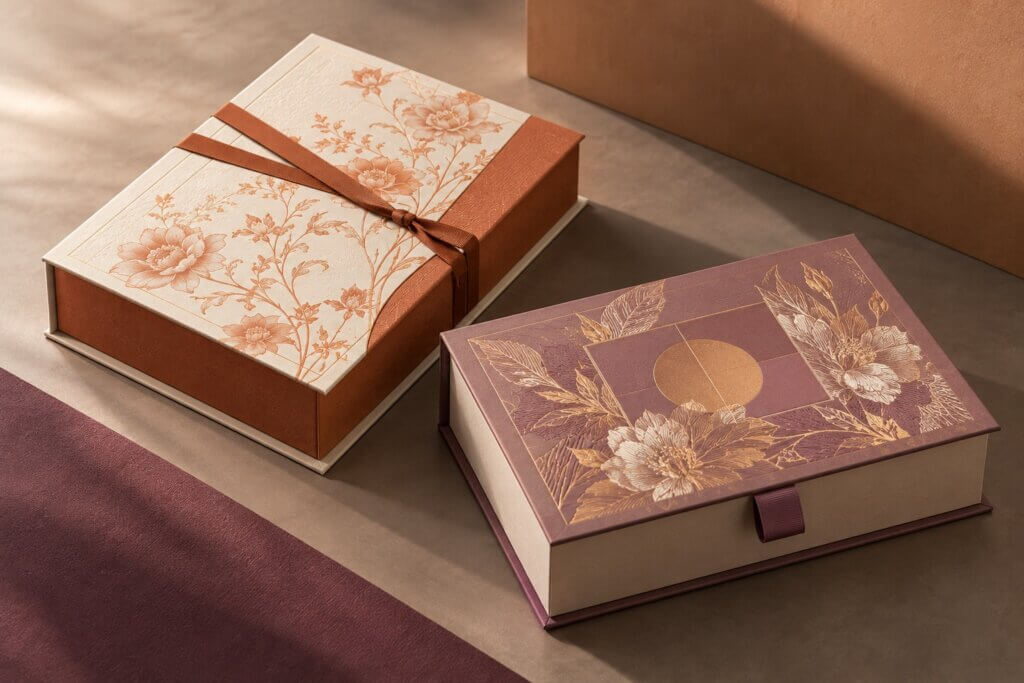

A custom packaging project can start with very little. A brand may send a product photo, basic dimensions, an existing box, or a reference image and ask for something similar. That is usually enough to begin a discussion, but it is not enough to determine how the final package should be built.
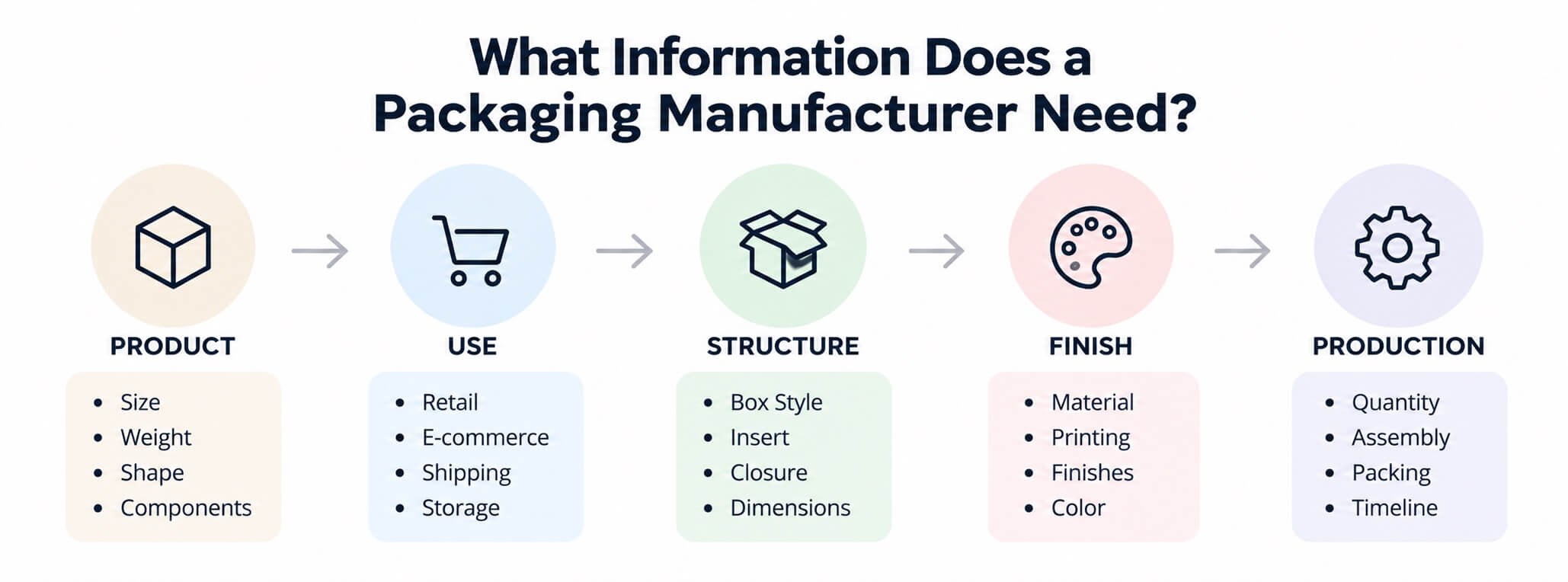
Before developing custom folding cartons , a shaped box , or another paper-based structure, a packaging manufacturer first needs to understand the product. Its packed size and weight matter, but so do the number of components, how the product will be loaded, how much protection it needs, where the package will be sold, how it will be transported, and what the customer should experience when opening it.
These details are connected. Product information influences the internal space; internal space affects the insert and outer dimensions; product weight can change the board and closure; and the sales channel can change the required strength. Those decisions eventually influence the dieline, artwork, finishing, assembly, and cost.
The box should be developed around the product and its real use conditions, not around a box style chosen in advance.
Start With the Product
The most useful starting point for a packaging manufacturer is the physical product in the condition in which it will actually be packed. Length, width, and height are important, but those measurements need context. A manufacturer also needs to know the product weight, shape, orientation, whether dimensions vary between units, and whether anything else will be packed alongside it.
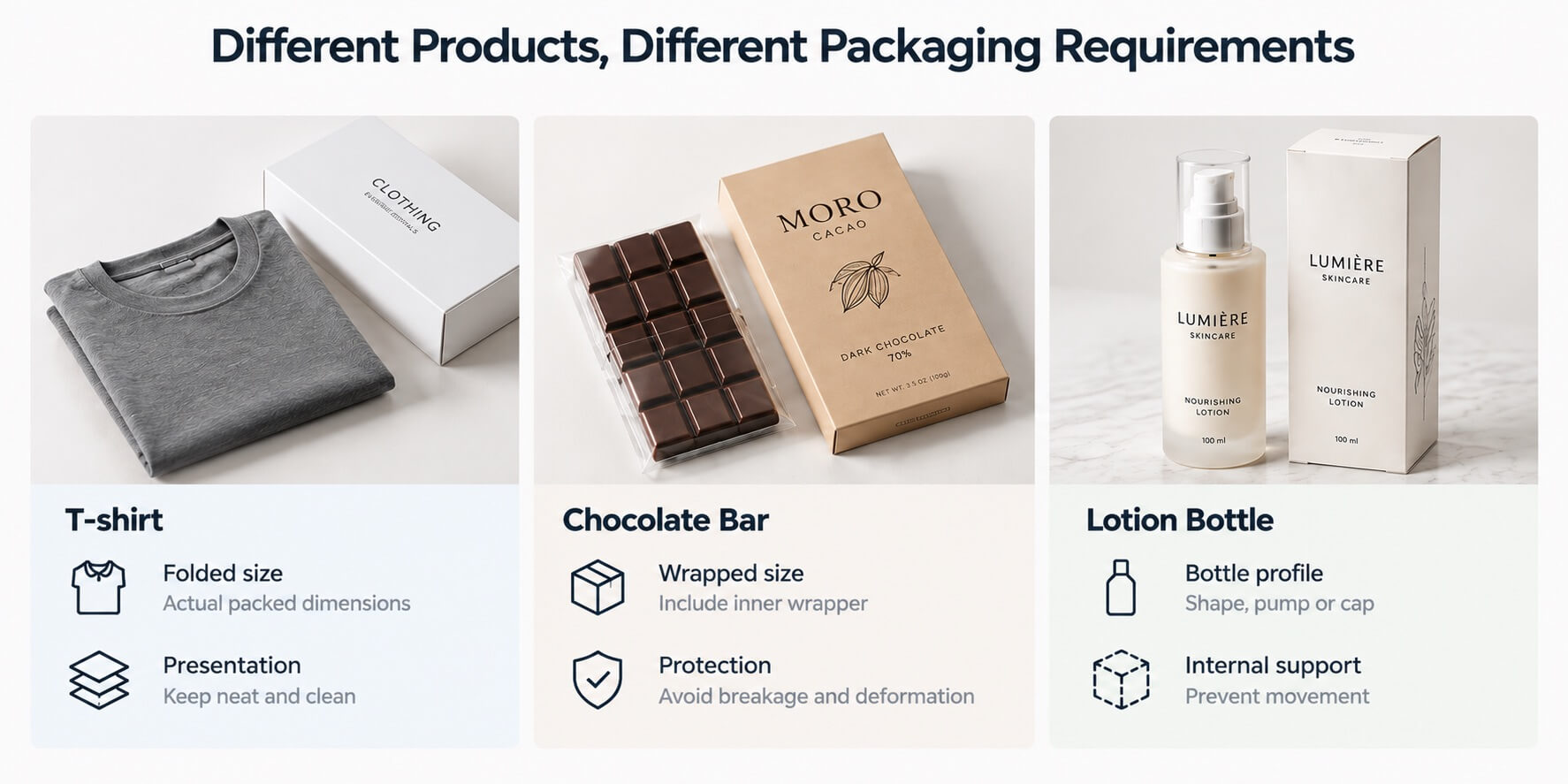
This is why the dimensions shown on a product specification sheet are not always the right dimensions for packaging development. For custom packaging t shirts, the useful measurement is normally the size of the garment after it has been folded for packing. For custom chocolate bar boxes, the finished wrapped chocolate is more relevant than the dimensions of the bare bar. A lotion bottle may have a narrow base, wider shoulder, pump, or cap that changes where support is needed, so lotion packaging boxes cannot always be developed reliably from bottle capacity alone.
The same principle becomes more important as the product becomes more complex. A playing card tuck box may only need to accommodate one regular stack of cards, while custom drone packaging boxes can involve a drone body, controller, battery, charger, cables, instructions, and spare accessories. In that case, knowing the overall size is not enough. The manufacturer needs the size and weight of each component and, ideally, the actual products or accurate 3D information before the internal layout can be finalized.
How much larger should a box be than the product?
There is no reliable fixed allowance that works for every package. A regular lightweight product may only need enough clearance for efficient packing and removal. A bottle may require additional room for a fitted paper insert. Multiple electronic components need space for dividers and separation, while a small but dense product such as custom packaging for ball bearings may require a surprisingly strong internal structure even though the overall box is small.
Too little space makes packing difficult and can place pressure on the product. Too much space creates unnecessary movement and can make the package feel poorly engineered. The correct internal dimensions therefore come from the product, material thickness, insert construction, packing method, and acceptable movement working together.
Understand How the Packaging Will Be Used
Once the physical product is understood, the manufacturer needs to know what happens to the package after it is produced. A box designed primarily for a retail shelf is solving a different problem from a package that will be packed into a master carton, shipped internationally, stored in a warehouse, or sent individually through an e-commerce network.
This context can change the structural recommendation even when the product itself does not change. Lightweight retail products may work well in relatively simple folding cartons, while heavier products or packages exposed to more handling may need stronger board, reinforced construction, or a different closure. This is where tab lock boxes, tab lock cardboard boxes, and roll end tuck top boxes become relevant—not because one structure is universally better, but because the required closure and strength depend on how the package will actually be handled.
For products that require greater shipping protection, a mailer box may also be considered. The decision should still be based on product weight, fragility, distribution conditions, packing efficiency, and the level of protection required rather than simply choosing a stronger-looking structure.
The same reasoning applies to more substantial presentation packaging. Rigid paper boxes can be appropriate when stiffness, repeated handling, or a more substantial opening experience is part of the requirement. Luxury packaging for jewelry, for instance, often needs to keep a very small product precisely positioned while also controlling how it is presented when the box is opened. A conventional folding carton could physically contain the jewelry, but that does not mean it would satisfy the same presentation brief.
At the other end of the spectrum, a premium product does not automatically need a complicated structure. If a straightforward carton can protect the product, run efficiently in production, and deliver the required presentation, increasing structural complexity may only add material and assembly time without solving an actual problem.
Reference packaging should therefore be treated as a direction rather than a complete specification. A customer may like the appearance of shaped boxes, but the manufacturer still needs to understand whether the shape improves presentation, accommodates an unusual product, supports a campaign concept, or is simply decorative. This becomes particularly relevant with seasonal projects such as custom Halloween boxes, where unusual forms may be visually effective but can also affect die-cutting, gluing, assembly, packing efficiency, and shipping volume.
Plan the Internal Fit and Opening
After the product and its use environment are clear, the next part of the brief concerns interaction. How should the product appear when the package is opened? Should it remain centered? Can different components touch each other? Does the customer need to remove one item before another? Will the package be opened once or used repeatedly?
These questions determine whether an insert is necessary and, if so, what it is expected to do. Inserts should not be added automatically to make packaging appear more premium. Their purpose may be to control movement, separate components, support weight, improve presentation, or make the product easier to remove.
Does every custom box need an insert?
No. A simple carton holding a regular, lightweight product may not need one at all. Other products need internal support because their shape, weight, presentation, or number of components creates a specific problem that the outer box cannot solve by itself.
For custom eyelash boxes, the internal requirement may simply be keeping a very light product in the correct visual position. With luxury packaging for jewelry, the insert can become part of the presentation itself. A multi-component electronics package has a different problem: the insert or divider needs to organize parts of different sizes while keeping the opening sequence understandable. A heavy industrial component creates another set of requirements because the internal structure must support concentrated weight rather than simply hold the product in place.
The opening method is part of the same decision. A tuck closure may be adequate for a lightweight carton, while tab lock boxes can be useful where a more secure mechanical closure is required. Roll end tuck top boxes introduce another approach where folded sidewalls and a self-locking construction can provide additional strength. The right choice depends on product weight, packing speed, transportation, opening behavior, and whether the package needs to close again after opening.
A manufacturer needs to know not only what goes into the box, but what needs to happen while the product is inside it and when it comes out.

Choose Materials and Finishes
Once the basic structure, internal fit, and opening method are taking shape, material and visual requirements can be evaluated more accurately. Paper appearance, printing, colors, logo treatment, windows, foil stamping, embossing, and other finishes all need to work with the structure rather than being developed separately from it.
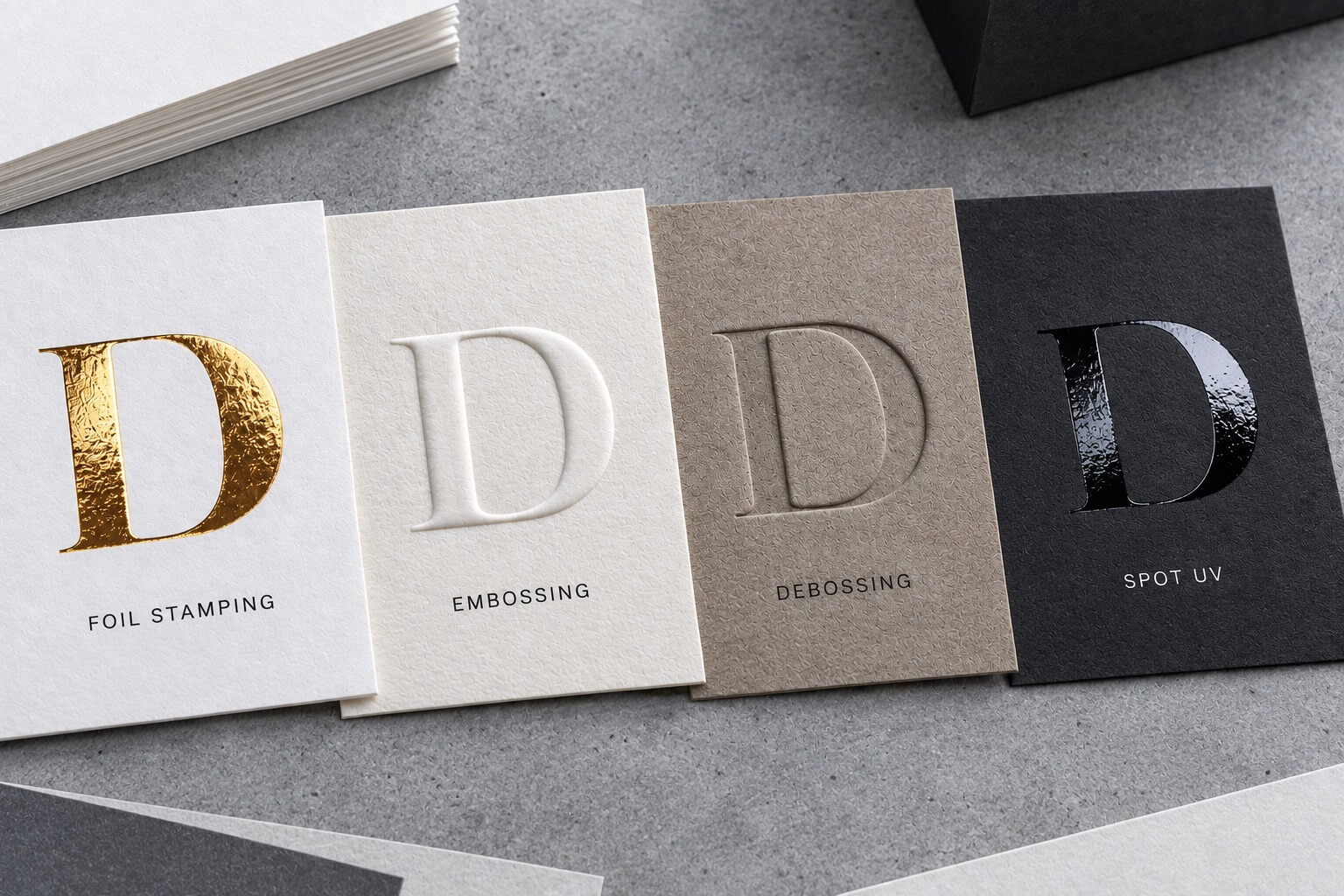
With embossed boxes, for example, the manufacturer needs to know the size and position of the embossed area. Fine details, nearby folds, edges, glue areas, board thickness, and the characteristics of the selected paper can affect how well the relief is reproduced. A design that looks correct on a flat artwork file may therefore need adjustment once it is placed on the actual dieline.
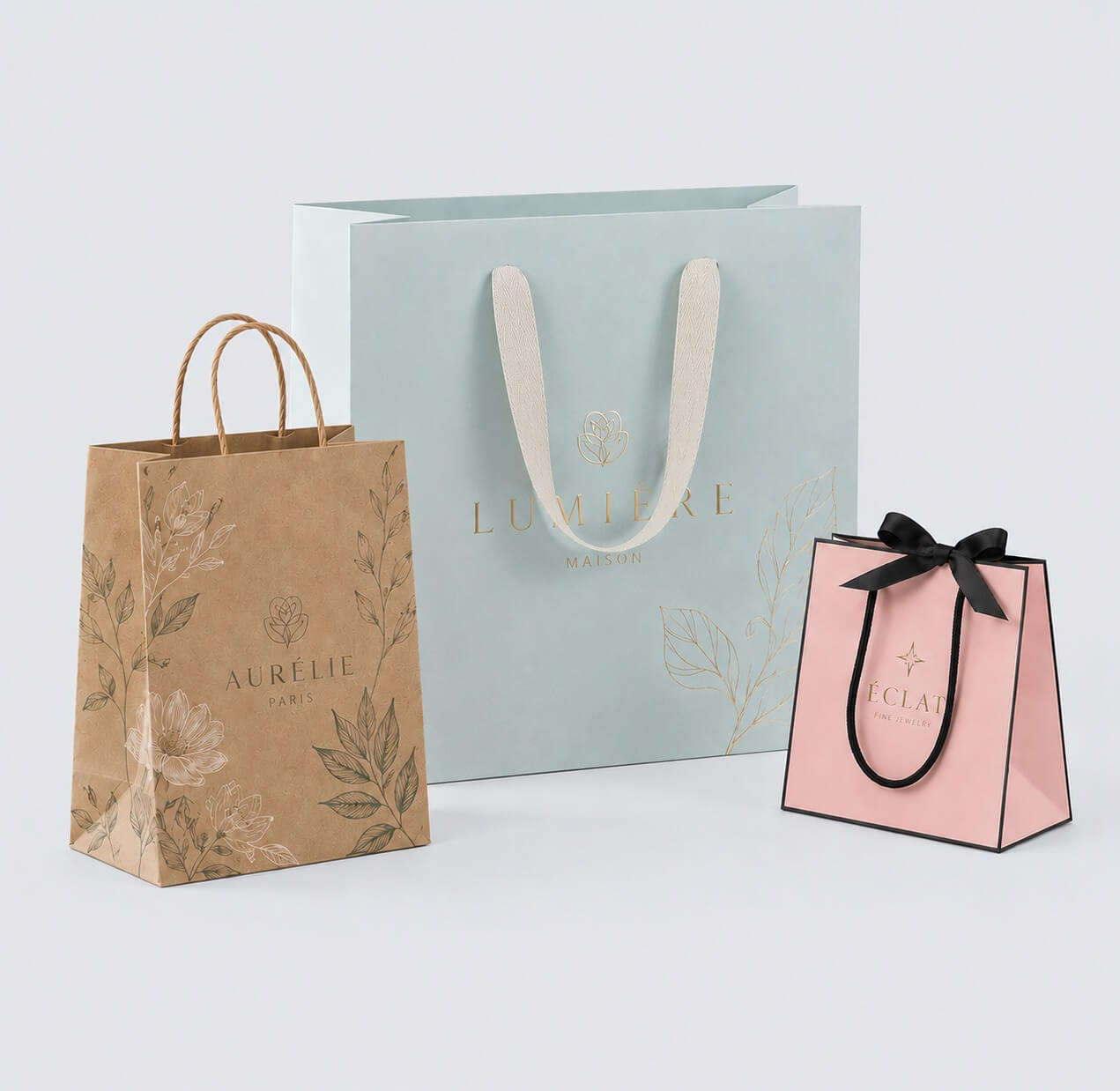
If the packaging program also includes a paper bag , the same principle applies. Luxury packaging bags may coordinate visually with the primary box, but the bag still has its own structural requirements. The manufacturer needs to know whether it will carry the product directly or a finished box, the total carrying weight, paper grade, handle construction, reinforcement, fold positions, printing, and finishing.
This is also why final artwork does not have to be the first thing a customer sends. Product photographs, accurate dimensions, reference packaging, rough artwork, or an existing dieline can be enough to begin structural development. Once the structure is confirmed, the final dieline gives the designer a reliable basis for artwork placement.
What artwork files does a packaging manufacturer need?
For production, vector artwork such as AI, print-ready PDF, or EPS is generally preferred because graphics, cut lines, spot colors, embossing, foil stamping, and other finishing layers can be identified accurately.
At the development stage, however, complete artwork is not always necessary. Structural development can begin while the visual design is still being refined, as long as the manufacturer has enough product information to establish the packaging format.
Consider Production Requirements
A packaging manufacturer also needs to know the expected order quantity earlier than many buyers expect. Quantity is obviously necessary for pricing, but it can also influence whether a structure makes sense in production. A box with several manual folding, gluing, or assembly steps may be appropriate for one premium project but unnecessarily inefficient for another.
Packing method matters for the same reason. If the boxes will be supplied flat and assembled by the customer, the structure needs to be practical for that workflow. If products will be packed at the packaging factory or another fulfillment facility, the manufacturer needs to understand how quickly the box and insert can be assembled and loaded. For projects with several components, even the order in which products are placed into the package can affect the insert construction.
These are production questions, but they belong in the design brief because they can change the structure before the first sample is made. Waiting until the design is complete to discuss assembly often results in avoidable revisions.
Expected quantity, repeat-order plans, packing configuration, and the way finished packaging will be transported should therefore be discussed alongside the structural requirements rather than treated only as purchasing details.
Validate With a Physical Sample
By the time a project reaches sampling, the manufacturer should have a reasonably clear picture of the product, its dimensions and weight, all included components, required protection, presentation expectations, sales and distribution environment, preferred opening method, approximate materials and finishes, order quantity, and packing method.
Not every detail has to be fixed. Sampling exists partly to test decisions that cannot be judged reliably from drawings or renderings.
A physical sample can reveal whether product clearance feels right, whether an insert holds the product without making removal difficult, whether a locking tab engages properly, whether the opening sequence makes sense, and whether the selected material provides the expected stiffness. These points are particularly important for shaped boxes, custom inserts, multi-component packaging, and structures where fit and opening behavior are closely connected.
If the sample exposes a problem, changing the structure at this stage is far easier than changing it after artwork, tooling, and mass production have already progressed.
Build a Better Packaging Brief
Brands sometimes delay contacting a packaging manufacturer because they assume they need a completed dieline, finished artwork, exact paper specification, and fully developed structure first. In practice, that is often unnecessary.
A useful starting brief can be much simpler: what the product is, its actual packed dimensions and weight, what else needs to go inside, the approximate quantity, how the package will be sold and transported, and any important protection or presentation goals. Reference images are useful when they communicate a direction, as long as they are not treated as a substitute for these basic requirements.
From there, the manufacturer can determine whether the project is better suited to a conventional folding carton, playing card tuck box, tab lock cardboard box, roll end tuck top box, rigid paper box, shaped box, or another custom structure. Materials, inserts, artwork, and finishes can then be developed around that decision rather than forcing the product into a structure selected too early.
The purpose of providing information at the beginning is not to make the customer design the packaging for the manufacturer. It is to give the manufacturer enough real conditions to engineer the packaging properly.
The more clearly the product and its use are understood, the more accurately structure, material, presentation, production, and cost can be developed as one packaging system.