
Clothing may appear easier to package than glass bottles, electronics, or other rigid products. It does not normally require a precisely molded cavity, and many garments can tolerate a degree of compression. Yet these same characteristics create a different engineering problem: clothing does not have one completely fixed packed form. Fabric thickness, garment size, folding method, layering, and even how consistently operators fold each piece can change the volume that eventually enters the box.
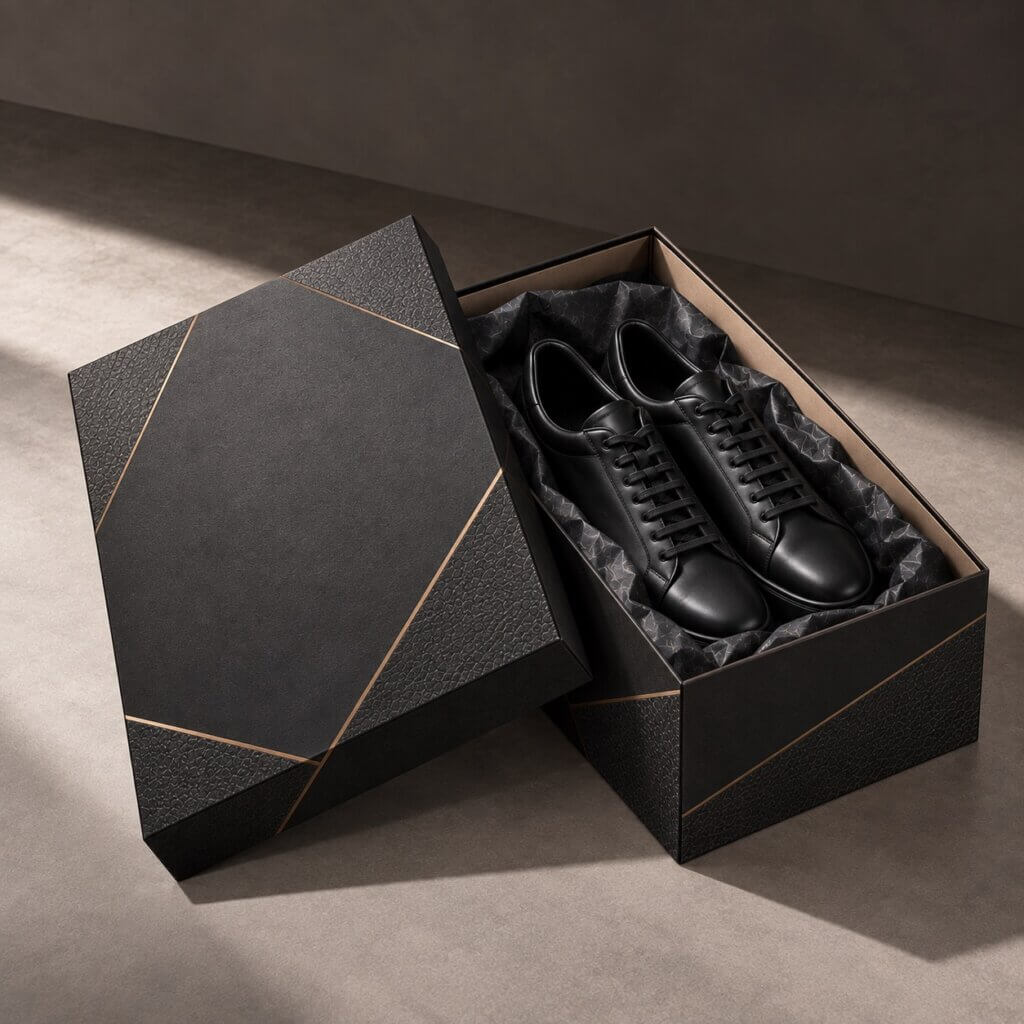
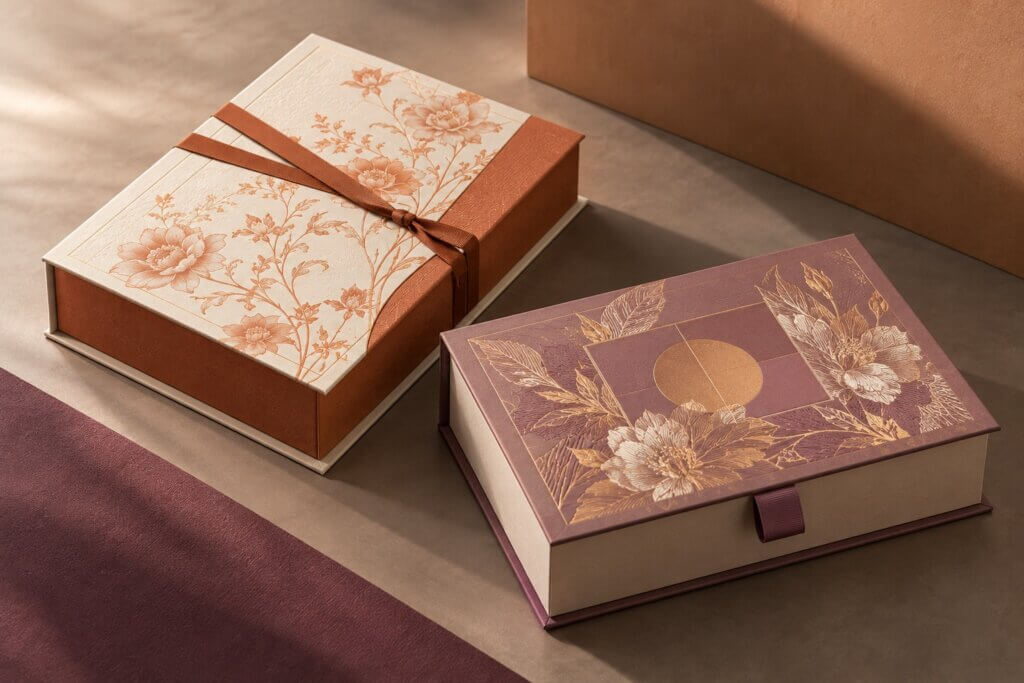
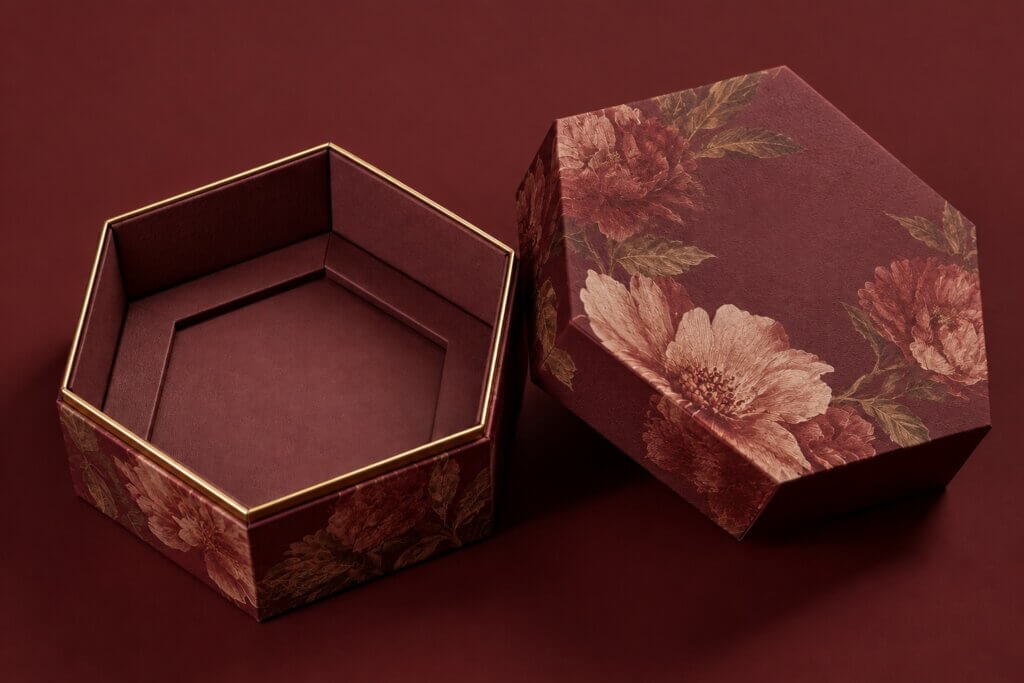
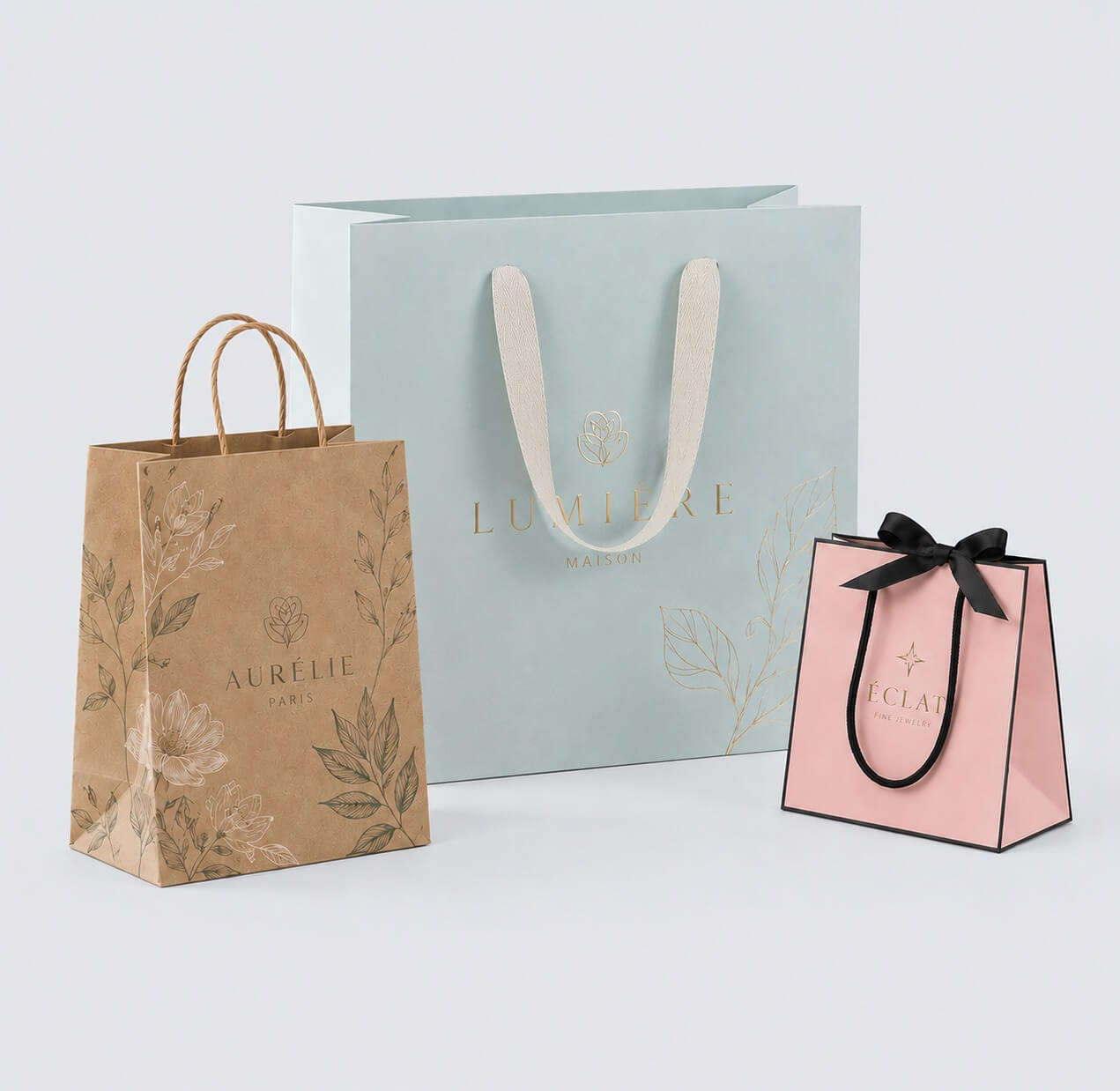
For this reason, developing custom packaging for clothing should begin with the garment in its actual packed condition rather than with a box style or visual reference. A lightweight shirt may work well in folding cartons, while a multi-piece apparel set may need a deeper structure. Premium collections may use drawer boxes , and retail purchases can continue the presentation through paper bags. The right decision depends on what happens to the garment before, inside, and after the package—not simply on which box looks more premium.
That changes the first question a brand should ask. Instead of asking, “Which packaging style should we use?”, it is more useful to ask, “What physical condition does the garment need to maintain from packing to opening?”
Start With the Garment After It Has Been Folded
A clothing size chart is not a packaging specification. A medium T-shirt, medium knitted sweater, and medium hoodie may belong to the same apparel size category while producing completely different packed volumes. Even two garments with similar folded length and width can behave differently if one fabric compresses easily and the other quickly recovers its thickness.
This is why one of the most important questions—how do you determine the right box size for clothing?—cannot be answered reliably from the unfolded garment dimensions alone. The garment should first be folded using the intended production or fulfillment method. Any tissue, protective sleeve, belly band, hang tag, accessory, or other component that will remain inside the finished package should also be included. Only then should the practical packed length, width, and thickness be measured.
Thickness deserves particular attention. Measuring a sweater while pressing it flat may produce a dimension that looks efficient on a specification sheet but creates excessive pressure once hundreds or thousands of garments are packed. Measuring it too loosely has the opposite effect and may create unnecessary empty space. A useful packaging dimension therefore comes from the garment in a repeatable packing condition—not its maximum uncompressed volume and not its most compressed state.
Once that condition has been established, the next question is no longer simply whether the garment fits. It becomes whether the package gives the garment the correct amount of usable space.
Internal Space Affects More Than Whether the Clothing Fits
For a rigid product, clearance is often discussed in terms of movement and protection. Clothing behaves differently because the product itself can expand, compress, bend, and shift. This means internal clearance affects both packing efficiency and the condition in which the customer first sees the garment.
If the package is too shallow, operators may need to press the garment down before closing it. The walls or lid can then remain under outward pressure, particularly with thicker knitwear or layered sets. If the package is too large, the garment can loosen from its intended fold during handling, while the additional board area and shipping volume may provide little functional benefit.
So should clothing packaging fit tightly? Usually, “tight” is not the most useful target. The goal is controlled clearance. There should be enough room for repeatable loading and natural closure, but not so much space that the garment loses its position unnecessarily.
This distinction becomes more important when one package is expected to hold several clothing sizes. Using the largest SKU as the only dimensional reference may prevent overfilling, but it can leave smaller products looking lost inside the same box. Developing a separate package for every garment size solves that issue but creates another one: more packaging SKUs, more inventory, more artwork management, and potentially smaller production quantities for each specification.
The structure therefore needs to be considered together with the SKU system.
Choose the Structure After the Packed Volume Is Understood
This is where the question what type of packaging is best for clothing? becomes more useful. There is no single best structure for apparel because different structures solve different parts of the distribution and presentation problem.
A relatively light garment sold through retail may not need the material volume of a rigid presentation box. A folding paperboard structure can provide printable surfaces and an organized presentation while remaining efficient to store before assembly. E-commerce apparel has a different requirement: the package may become part of the shipping system itself, making closure strength, handling resistance, label area, and packing speed more important.
A mailer box can be particularly relevant when the same structure needs to contain and protect the garment during parcel handling. By contrast, a drawer structure may make sense when opening sequence and product presentation are deliberately part of a premium collection. A retail paper bag serves another purpose entirely: it is primarily a carrying and brand-presentation component rather than the main protective shipping structure.
This also answers another common question: are rigid boxes better for premium clothing? Not automatically. A rigid box can create a substantial presentation for gifting, limited editions, luxury accessories, or higher-value apparel, but its assembled volume can also increase storage and freight requirements. Premium positioning should therefore be considered alongside the distribution model rather than treated as a reason to add more material by default.
Once the structure has been narrowed down, material selection becomes much more meaningful.
Material Strength Should Be Based on the Loaded Package
Clothing is soft, but a package filled with clothing can still become surprisingly heavy. A single shirt and a set containing a hoodie, trousers, and accessories may occupy similar footprint dimensions while placing very different loads on the bottom panel, corners, closures, and outer shipping carton.
For paper-based clothing boxes, material selection should therefore consider more than paper appearance or GSM. Board thickness, stiffness, flute construction where corrugated material is used, unsupported panel span, grain direction, box geometry, and finished packed weight all contribute to how the package behaves.
A deeper box with broad panels, for example, can require greater stiffness to resist bowing even if the contents are not fragile. Conversely, increasing board thickness without understanding the structure can add material without solving the actual weak point. The relationship between material and geometry matters more than either specification in isolation.
This is also why can clothing boxes be shipped flat? has different answers depending on construction. Many folding cartons and corrugated mailer structures are designed to travel flat before packing, which can reduce storage volume. Traditional set-up rigid boxes generally remain assembled unless a specifically collapsible rigid construction is developed. The freight and warehouse implications should therefore be evaluated before the structure is finalized, not after artwork has already been approved.
The next decision is where that package will actually travel.
Retail and E-Commerce Put Different Stress on the Same Package
A package designed for a retail counter does not experience the same journey as one moving through an e-commerce parcel network. This distinction is especially important for apparel because brands sometimes expect the same presentation box to perform both jobs.
Retail packaging can place greater emphasis on controlled presentation, opening experience, stacking, carrying, and the condition of visible surfaces. E-commerce packaging must also deal with distribution handling, compression, abrasion, shipping labels, sealing, and potentially exposure to less predictable stacking orientations.
This leads to another practical question: can a clothing gift box be used directly for shipping? Sometimes, but it should not be assumed. A decorative presentation box with delicate paper, foil, embossing, or an exposed closure may arrive in excellent condition when protected by an outer shipping carton but show abrasion or corner damage when used as the transport package itself. If eliminating the secondary shipper is an objective, that requirement should be included during structural development and testing.
For apparel brands selling through both channels, a packaging system can sometimes be more effective than forcing one box to do everything. The presentation package can be optimized for the garment and customer experience, while an appropriate outer shipping format deals with distribution conditions.
E-commerce introduces one more factor that is particularly relevant to clothing: the package may need to make the journey twice.
Returns Should Be Considered Before the First Shipment
Apparel has an unusual relationship with packaging because the customer may open the parcel, try on the garment, and then return it. A package that works perfectly for one-way delivery may become awkward if it is torn apart during opening or cannot be closed securely again.
So should clothing packaging be designed for returns? For brands with a meaningful e-commerce return flow, it is worth evaluating. This does not mean every package needs a complex return mechanism. It means the opening method, closure, label placement, and structural condition after opening should be considered as part of the distribution journey.
A corrugated mailer, for example, may be developed with an opening feature that does not destroy the primary structure and a secondary closure method where appropriate. A presentation box protected by an outer shipper may already remain reusable. The right solution depends on the fulfillment system and should be established before structural details are locked.
Once the sales channel is clear, brands can address a less visible but financially important problem: how many packaging specifications they actually need.
More Garment Sizes Do Not Necessarily Require More Box Sizes
Apparel collections can contain many SKUs. Size, color, fabric weight, product type, and seasonal variation can quickly turn a seemingly simple packaging project into a packaging-inventory problem.
The obvious approach is to create a perfectly fitted box for every product. The opposite approach is to put everything into one large universal box. Neither extreme is automatically efficient.
A better approach is to map the packed dimensions of the actual product range and look for groups that can share a packaging specification without creating excessive compression or empty volume. A brand might discover, for example, that several T-shirt sizes behave similarly after folding, while heavier knitwear requires a second depth and multi-item gift sets require a third structure.
This process can reduce the number of packaging SKUs while maintaining acceptable fit. It can also make purchasing quantities easier to consolidate and reduce the risk of carrying small inventories of many nearly identical boxes.
That raises another common question: can different clothing sizes use the same packaging? Yes, when their packed dimensions and presentation requirements fall within an acceptable range. The decision should be verified physically rather than assumed from the garment size labels.
And physical verification is the point where the packaging concept becomes a production specification.
Sample the Packaging With the Real Garment, Not an Empty Box
An empty packaging sample can confirm dimensions, construction, print placement, and general appearance, but it cannot fully confirm whether an apparel package works.
The sample should be loaded using the actual folding and packing sequence intended for production. Ideally, testing should include both smaller and larger product configurations within the proposed packaging group. The team can then observe whether the garment enters easily, whether operators need to force the product into position, whether panels bulge, whether the closure remains natural, and whether the garment still looks controlled when the customer opens the package.
Packing time should also be observed. A structure that produces an impressive prototype but requires several unnecessary folding, tying, or positioning operations can become inefficient when repeated thousands of times. For brands working with fulfillment centers or multiple packing locations, a repeatable packing method can be just as important as the box itself.
This is also the right stage to answer do clothing boxes need inserts? In many cases, they do not. Unlike bottles or electronics, folded garments often do not require a rigid cavity to prevent movement. An insert should solve a specific problem—such as separating accessories, organizing multiple components, or controlling presentation—rather than being added simply because premium packaging is expected to contain one.
At Demei Packaging, most custom packaging projects start from 500 pieces. Before mass production, the practical goal of sampling is to convert the selected structure, material, artwork, and packing method into a specification that can be repeated consistently. Demei’s published process includes physical prototyping before mass production so structure, materials, artwork, and finishing can be reviewed before the production run.
Good Clothing Packaging Is a System, Not Just a Box
The strongest custom packaging for clothing is rarely created by choosing the most elaborate structure first. It develops in the opposite direction.
Start with how the garment behaves when folded. Establish a repeatable packed condition. Determine the internal space needed to preserve that condition. Then select a structure appropriate for the product weight and sales channel, choose materials that support the loaded package, rationalize the packaging sizes across the SKU range, and finally validate the complete system with real garments before production.
That sequence matters because each decision gives the next one better information. When dimensions are established before the folding method, or finishes are selected before the shipping route is understood, later changes can force unnecessary redesign.
For apparel brands, good packaging therefore does more than contain clothing. It connects product presentation, packing efficiency, inventory, transportation, retail or e-commerce handling, and the customer’s first physical interaction with the garment. When those requirements are considered together, the final box can often become simpler—not more complicated—because every part of the packaging has a defined job.