
A window can make a package more informative before the customer even opens it. It can reveal product color, arrangement, texture, or part of the actual form, reducing some of the uncertainty that comes with a fully closed carton. But that does not mean every product benefits from being visible. For brands developing custom boxes with window, the more useful question is whether showing the real product helps the customer understand or evaluate it more quickly.
This decision is especially relevant for folding cartons, because a window can often be integrated directly into a printable paperboard structure without changing the entire packaging format. Brands looking for less conventional openings can also consider custom shape boxes , but the shape of the opening should still follow the product and structural requirements rather than being added only for decoration.
Start With What the Customer Needs to See
The strongest reason to use a window is usually simple: seeing the product communicates something important more effectively than printed graphics can. Chocolates, baked goods, textile accessories, candles, toys, gift sets, and some cosmetics can benefit because color, quantity, arrangement, texture, or scale may influence the purchase decision. In these situations, custom packaging boxes with window allow part of the product itself to become part of the visual communication.
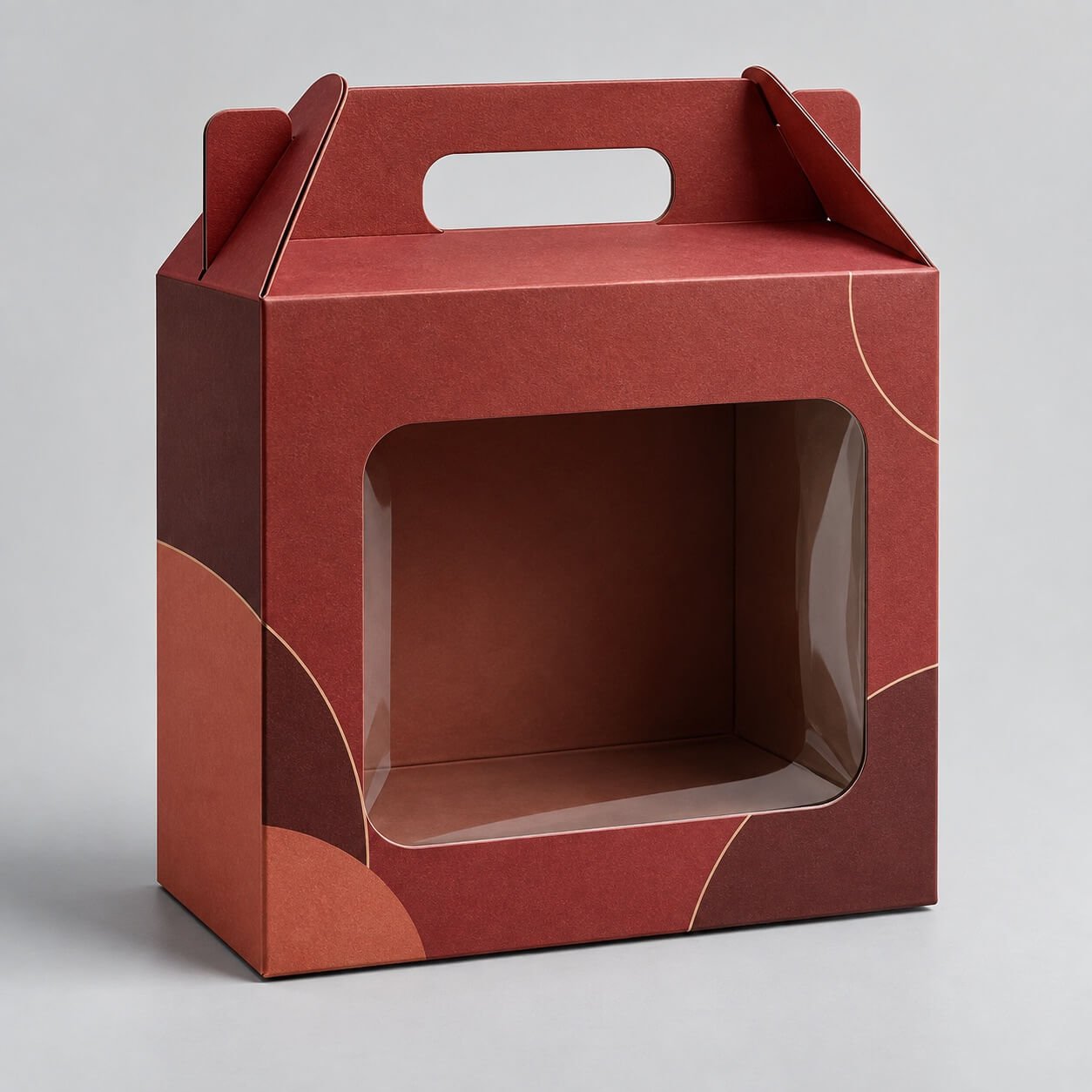
However, visibility is only useful when the visible area tells the customer something meaningful. A very small opening that reveals only an unimportant part of the product may add little value, while an oversized window can remove too much printable area and weaken the carton unnecessarily. The opening should therefore be planned around a specific viewing purpose rather than added simply because the front panel feels empty.
When Is a Fully Closed Box Better?
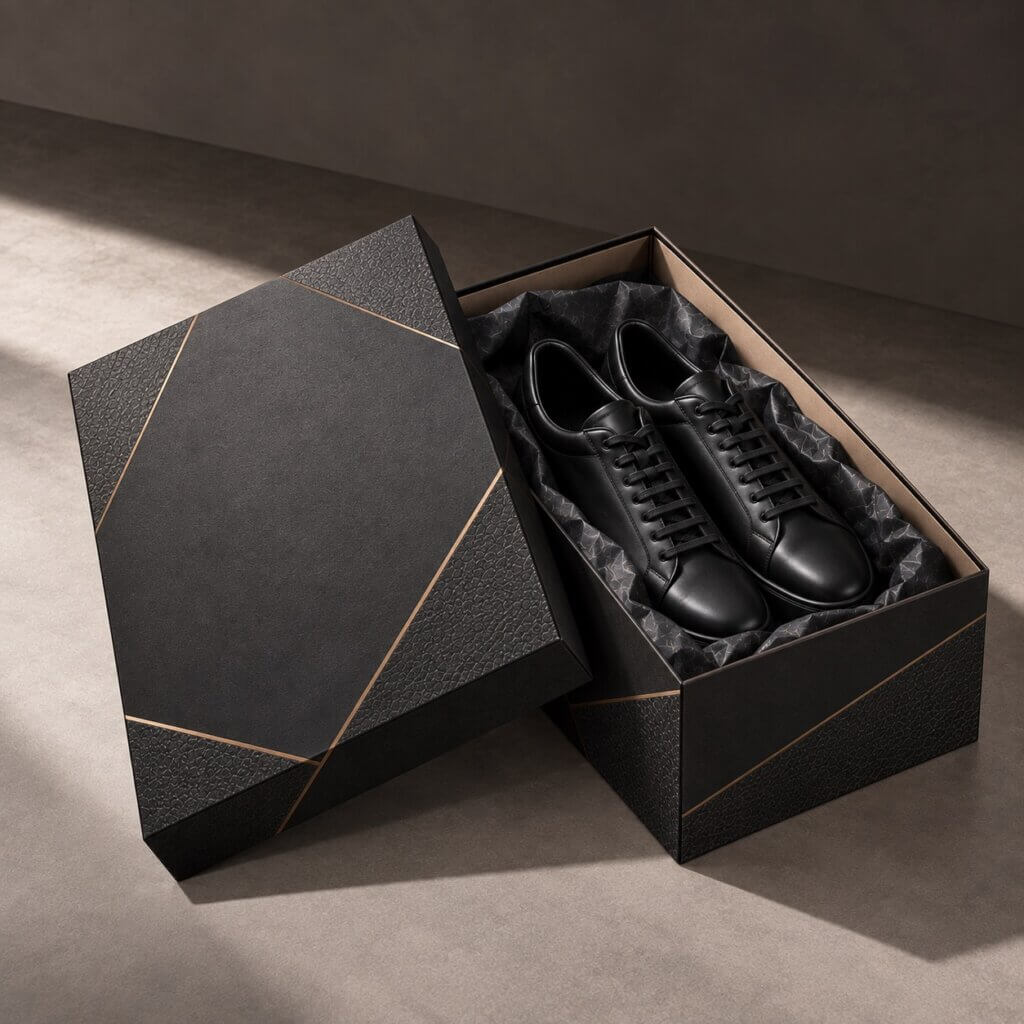
A closed box can be more effective when the packaging itself needs to create the first impression. Fragrance, jewelry, premium cosmetics, and gift products often rely on a controlled opening sequence in which the customer sees the brand first and discovers the product afterward. In these cases, showing too much of the product in advance can reduce that sense of discovery.
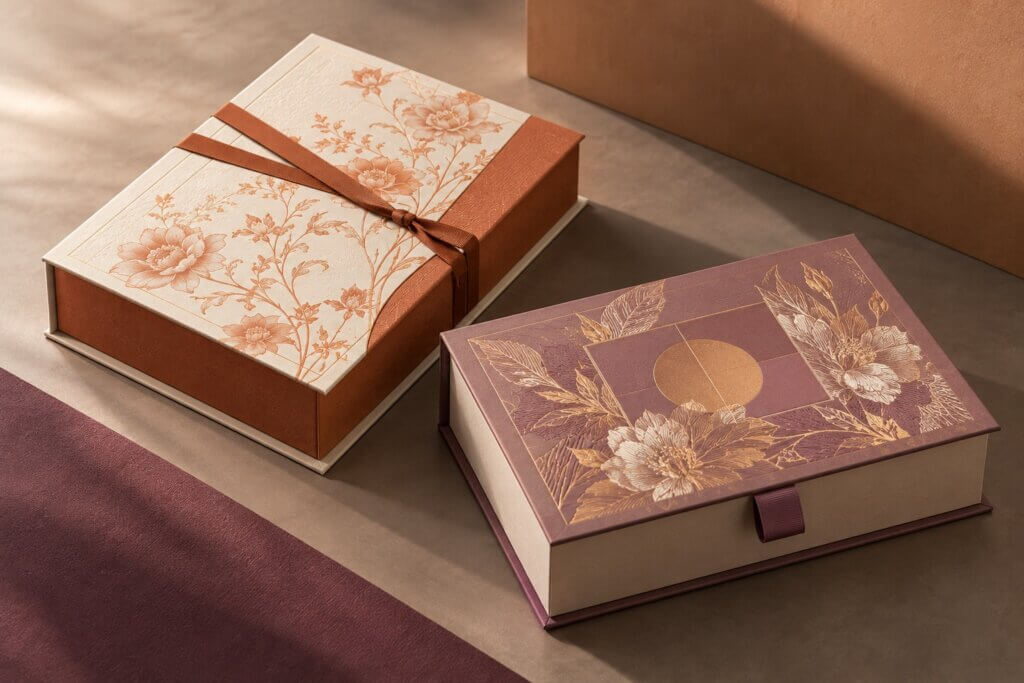
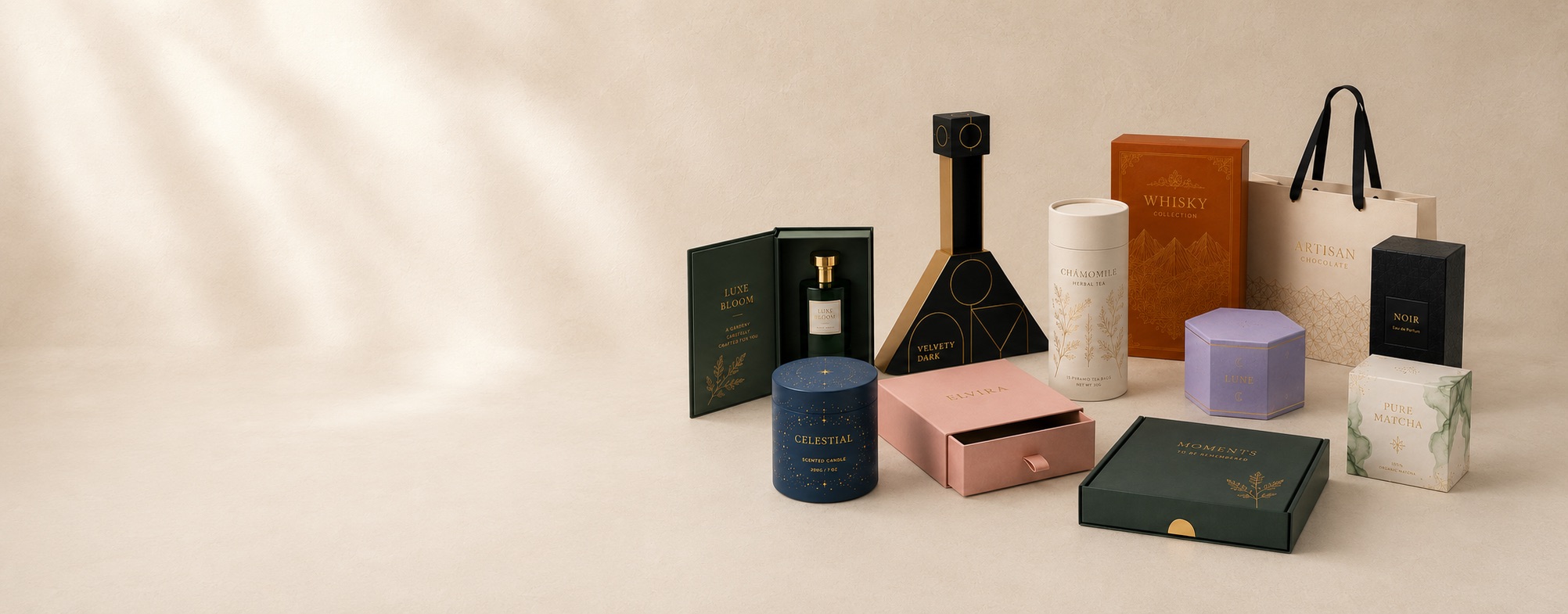
This is particularly relevant in luxury packaging, where more visibility does not automatically create a more premium result. If the outer graphics, paper texture, typography, or opening experience are important parts of the presentation, a fully closed structure may give the brand more control over what the customer sees first. Drawer boxes , for example, keep the product concealed until opening while still allowing the internal arrangement to become part of the presentation.
Open Window or Transparent Cover?
One common question is whether the opening should remain uncovered or be backed with a transparent sheet. An open window removes the extra transparent component and can create a more direct presentation, but it works best when touching the product is acceptable and the item is securely held inside the box. A covered window still provides visibility while adding a barrier against dust, handling, and direct contact.
Neither option is universally better. For food, cosmetics, or products with specific hygiene or contact requirements, the full material system should be reviewed carefully, including paperboard, transparent material, inks, coatings, and adhesives. The visual idea should always remain compatible with the product and destination-market requirements.
Window Size and Shape Have Structural Limits
A window can be rectangular, circular, curved, or designed around part of the product silhouette, but every opening removes material from the panel carrying it. Large cut-outs, narrow paperboard bridges, or openings positioned too close to folds can reduce stability or make production less consistent. Very intricate outlines may also look good on a digital rendering while adding little practical value once the box is die-cut and assembled.
This is where innovation in packaging design should be separated from novelty. A useful design improves the relationship between product, package, and customer. A complicated cut-out that increases production difficulty without improving presentation, protection, or usability is simply extra complexity. The best windows usually reveal the most relevant part of the product while leaving enough board around the opening to keep the package balanced.
The Product Must Stay in the Right Position
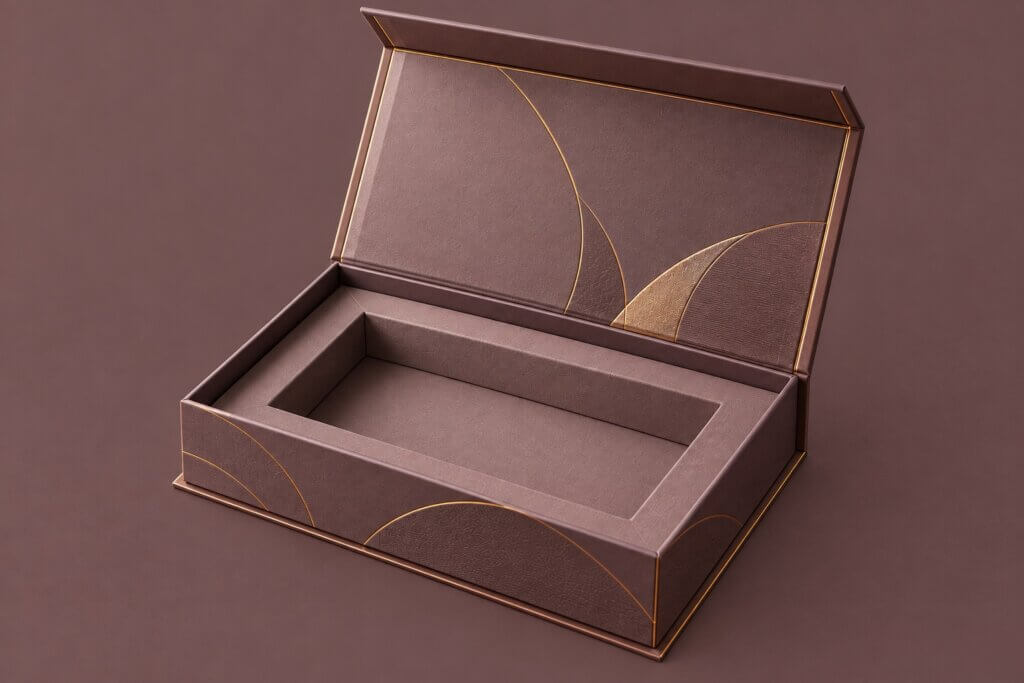
A window only works when the product remains where the designer expects it to be. A bottle may be positioned perfectly during sampling but rotate in transit, leaving the back label facing the opening. A gift set may shift downward and leave empty space in the visible area. This is why custom boxes with inserts often become important in window packaging.
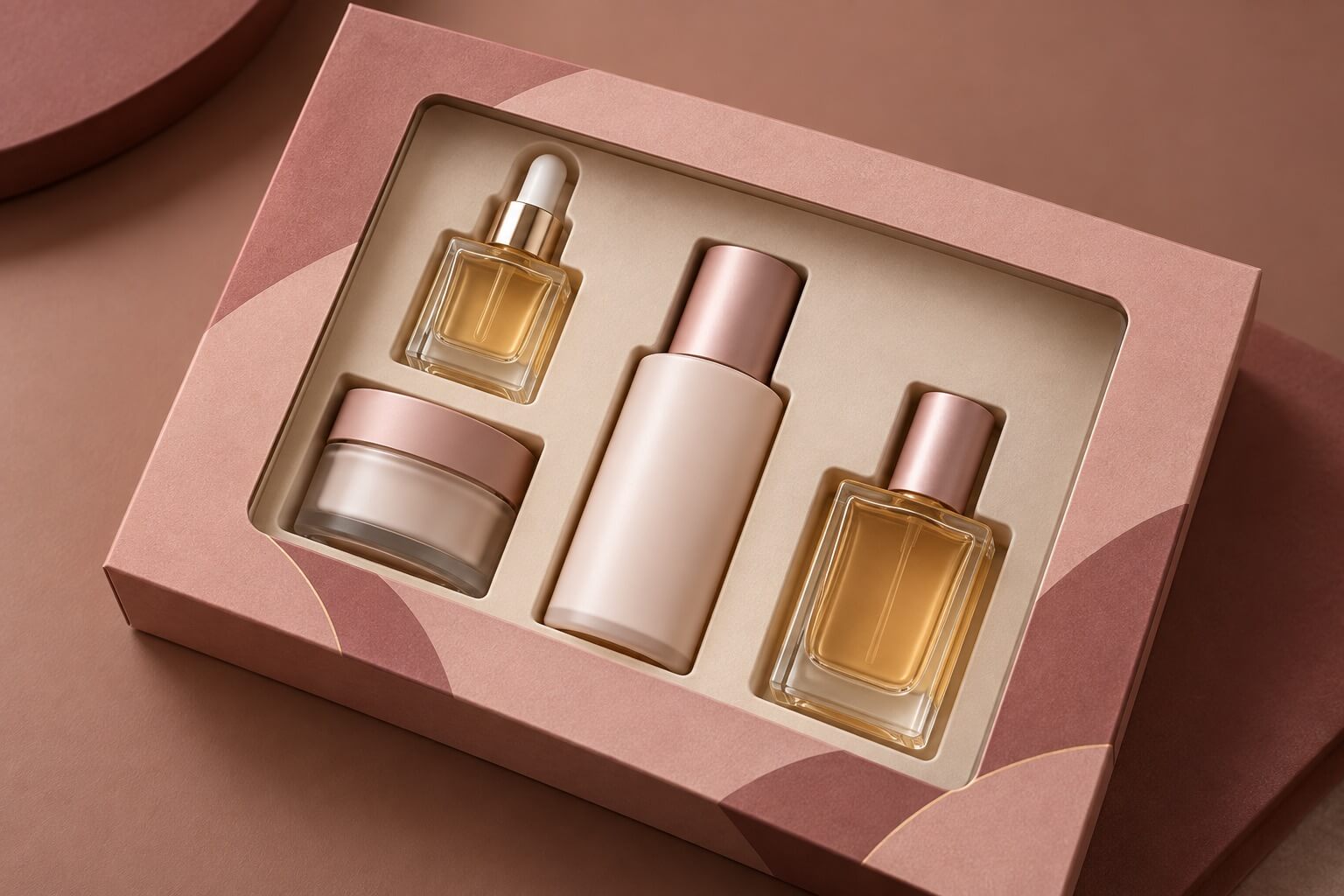
The insert does not need to be complicated. Its job may simply be to control orientation, maintain spacing, or prevent several items from moving independently. In many cases, a folded paperboard insert is enough. The important point is that the window and the internal arrangement should be developed together, because the opening cannot present the product correctly if the package cannot control where that product sits.
Artwork Should Be Planned Around the Real Product
Once a window is introduced, part of the printed panel disappears and the visible product becomes part of the overall composition. A logo that looked balanced on the flat dieline may feel too close to the opening once the product is inside. A color block may end awkwardly against the cut-out, while text can compete visually with the item behind it.
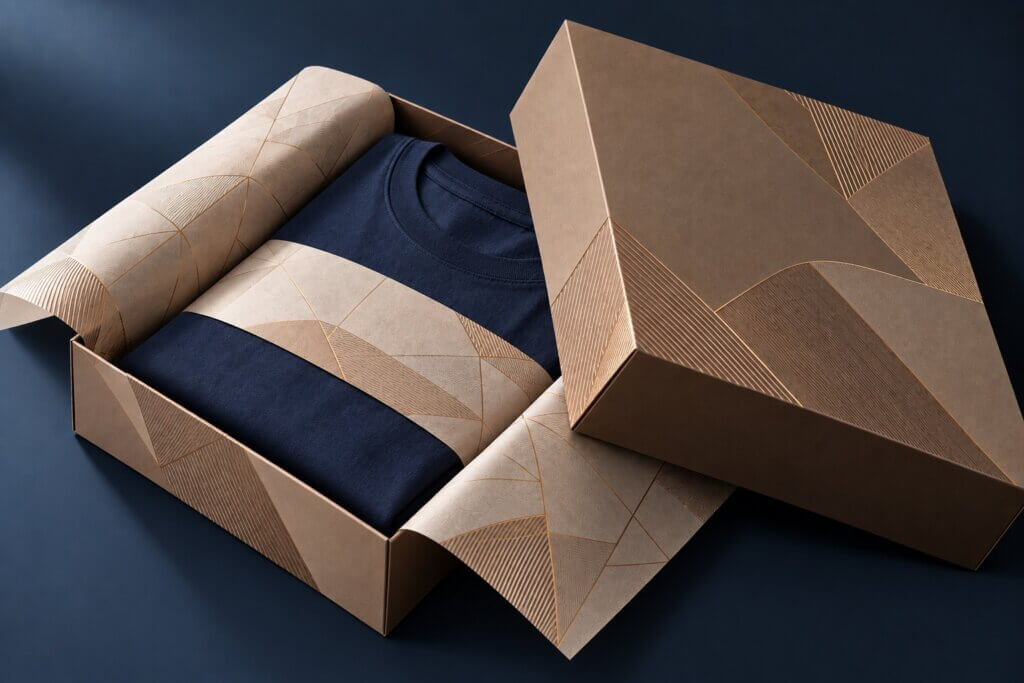
For this reason, the final artwork should be evaluated with the actual product positioned inside the sample. The printed area, opening, and product should read as one composition rather than three separate decisions. This is especially useful for luxury boxes and kraft gift boxes, where a simple opening can provide enough visual interest without adding multiple decorative finishes.
Test the Window as Part of the Complete Package
Before mass production, the sample should answer practical questions that a flat artwork file cannot. Does the correct part of the product appear in the opening? Does the product stay aligned after handling? Does the cut-out make the panel feel too flexible? If a transparent component is used, does it remain flat and securely attached? Can the box still be assembled efficiently?
A window should therefore be treated as part of the complete packaging system, not as an isolated visual feature. If showing the product reduces uncertainty and improves presentation, it can be highly effective. If it weakens the structure, interrupts important graphics, or reveals something that does not need to be seen, a fully closed box may communicate the product more successfully.