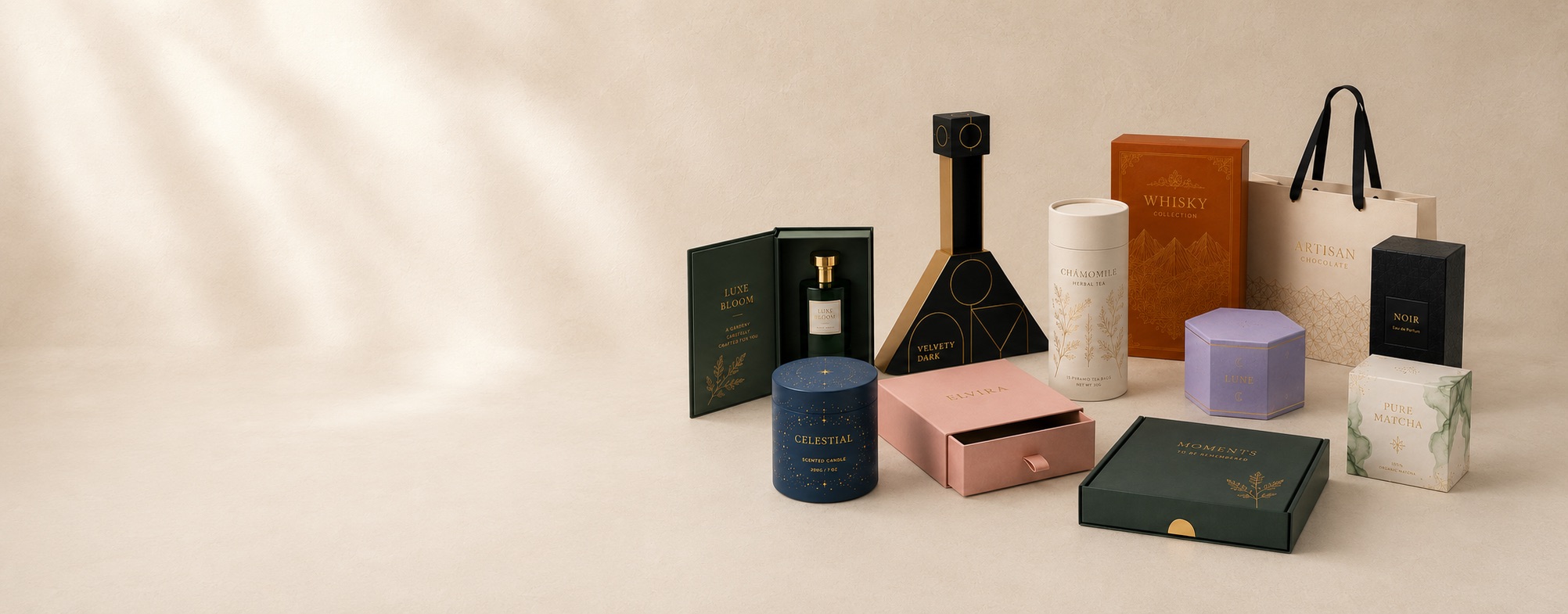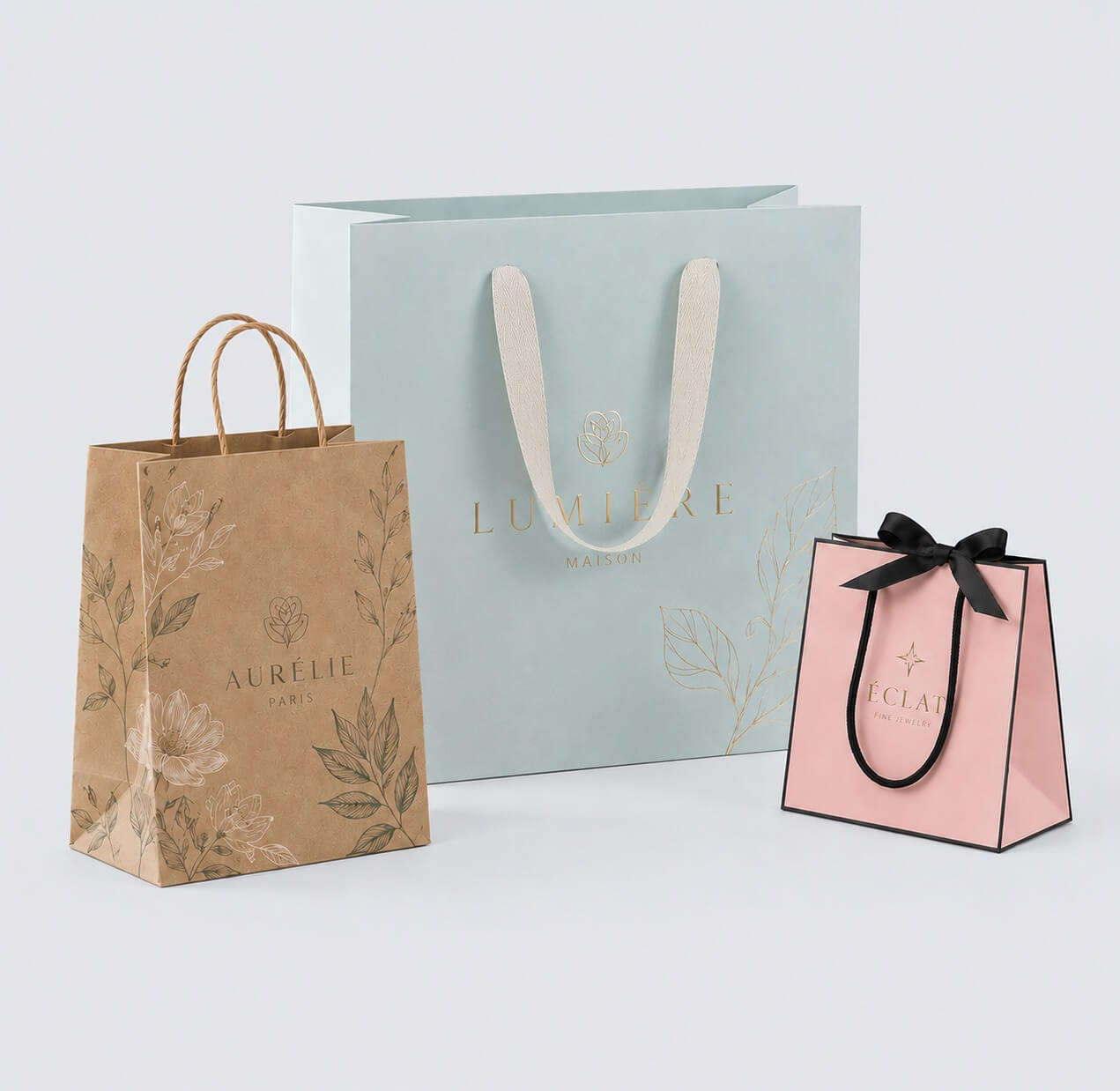

Luxury packaging is often associated with thicker board, multiple layers, foil stamping, lamination, magnets, foam inserts, and complex structures. It is easy to assume that adding more materials will automatically make a package feel more valuable. In practice, the relationship is not that simple.
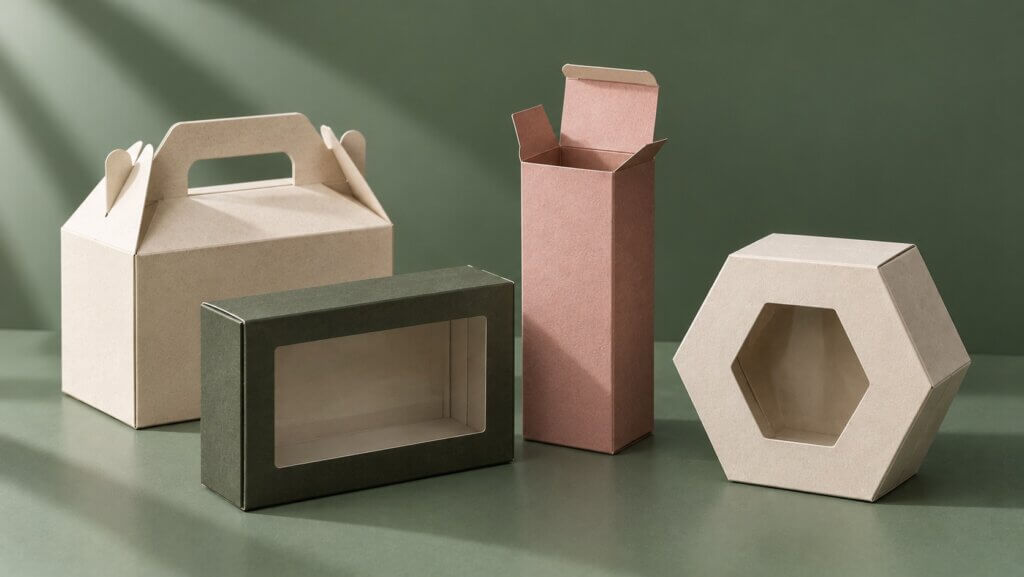
A well-designed luxury packaging box can use fewer materials and still feel more considered than a heavier, more complicated alternative. The difference usually comes from how the structure, paper, surface treatment, and internal components work together. A carefully engineered folding carton made from the right paperboard can sometimes create a stronger retail presentation than an unnecessarily heavy rigid box. For products that genuinely benefit from a more substantial opening experience, drawer boxes or other rigid structures may be a better choice.
This is also where sustainable luxury packaging becomes more practical. The goal does not have to be removing every premium feature. It is often about deciding which materials actually improve the package and which are simply adding layers without adding much value.
Start With What the Packaging Needs to Do
Before deciding how much material to use, it helps to understand what the packaging is expected to accomplish. A lightweight cosmetic product displayed on a retail shelf has very different requirements from a glass fragrance bottle, an electronics set with several accessories, or a premium gift product intended to create a longer unboxing experience.
For a small retail product, increasing board thickness beyond what is structurally necessary may add cost and weight without noticeably improving the customer experience. In this situation, a better paper surface, cleaner printing, accurate die cutting, or a carefully selected finish may contribute more than simply adding material. For a heavier or fragile product, however, additional structural support can be justified because the packaging is performing a protective function rather than only creating visual weight.
The important distinction is between material that has a purpose and material that is added simply because “premium” is being interpreted as “more.”
Better Paper Can Replace Several Additional Processes
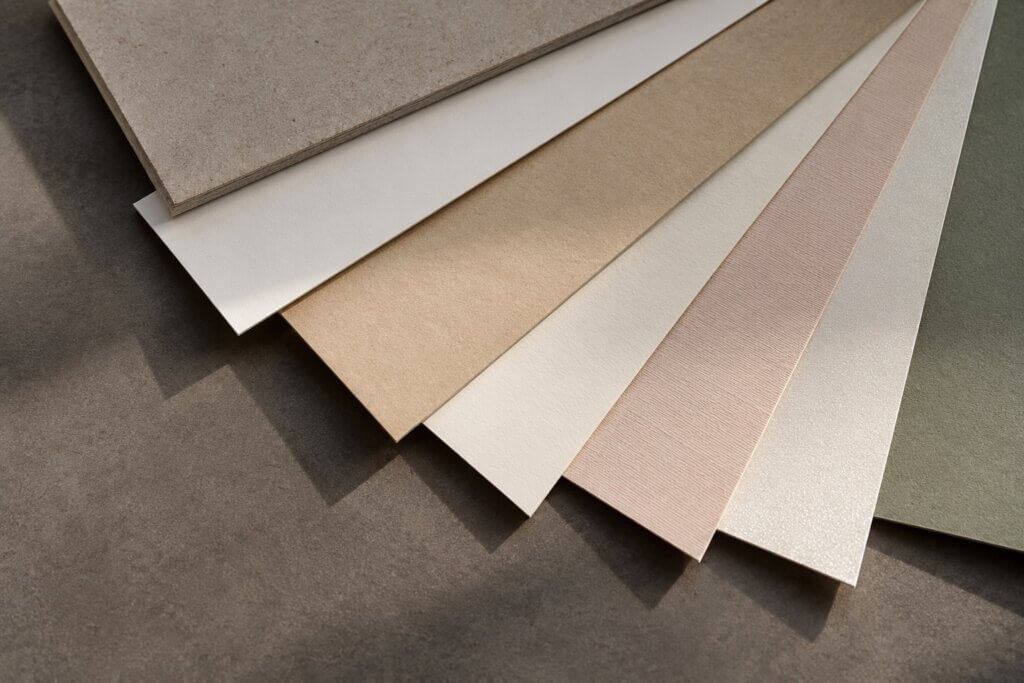
Material selection can have a surprisingly large influence on how packaging feels before any decorative finish is added. A paper with a refined texture, controlled color, or natural surface can create visual depth without requiring several layers of coating, lamination, printing, and finishing.
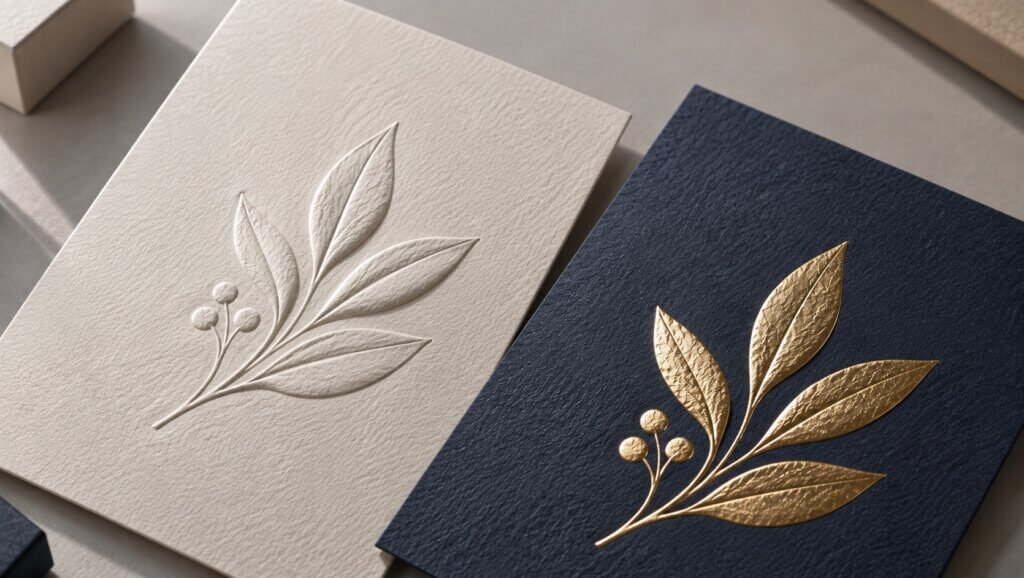
This is especially relevant when developing sustainable luxury packaging. Instead of starting with a standard printed surface and then adding multiple processes to make it feel more distinctive, the material itself can become part of the design. An uncoated specialty paper, for example, may work with a restrained foil or embossed logo rather than requiring full-surface printing and lamination.
That does not mean specialty paper is automatically the better option. Its printing behavior, folding performance, resistance to marking, and availability for repeat orders all need to be considered. The right material is the one that provides the required appearance while remaining suitable for the structure and production method.
More Finishes Do Not Automatically Create More Value
Foil stamping, embossing, debossing, spot UV, textured coatings, and other finishes can be highly effective when they have a clear visual purpose. Problems begin when several of them are added simply because the package is intended to look expensive.
A foil logo on a carefully selected paper may be enough. Adding embossing, spot UV, lamination, multiple foil colors, and additional printed effects to the same surface can begin to compete rather than complement one another. It also adds production steps, registration requirements, tooling, cost, and more opportunities for variation.
For luxury packaging for cosmetics, this restraint can be particularly effective. Cosmetics packaging is often relatively small, so details are viewed at close range. Material texture, typography, foil quality, edges, and color consistency can therefore have more impact than the number of decorative processes used.
Premium finishing works best when each process has a reason to be there.
Does a Premium Box Always Need Magnets?
Magnetic closure rigid boxes are a good example of how a useful feature can become an automatic design choice. A magnetic closure can create a controlled opening movement and keep a hinged rigid box securely closed, making it appropriate for certain gift sets, cosmetics, electronics, and presentation packaging.
But not every premium box needs one.
A drawer structure, two-piece rigid box, book-style construction without magnets, or well-designed custom packaging sleeve may create an equally satisfying experience depending on the product. If the magnet does not improve closure, protection, presentation, or usability, it becomes another component rather than an essential part of the design.
This is where structural selection matters more than simply increasing the material count. The objective should be to choose an opening mechanism that suits the product and customer experience rather than using a feature because it is commonly associated with luxury packaging.
The Inside of the Box Matters Too
Material efficiency should not focus only on the exterior. Inserts can account for a significant part of the material inside premium packaging, especially when products need to be separated or presented in a specific position.
Foam and plastic inserts can provide precise product fit, but they are not always necessary. Depending on product weight, shape, fragility, and presentation requirements, folded paperboard, corrugated structures, molded pulp, or engineered paper partitions may provide an effective alternative. For some products, a well-designed paper insert can reduce material complexity while still creating a clean presentation.
The decision should begin with the product. A heavy glass bottle requires different support from lipstick, soap, jewelry, or a lightweight accessory. Removing material without considering protection can create damage; adding excessive material without considering function can create unnecessary cost and bulk.
Less Material Can Also Improve Production
Simplifying a package can have manufacturing advantages beyond material savings. Every additional component needs to be sourced, inspected, positioned, assembled, and controlled during production. More layers can mean more gluing, more wrapping, additional registration points, longer assembly time, and more opportunities for accumulated tolerance.
A simpler construction is not automatically easier to manufacture, but removing unnecessary components can make quality control more focused. Instead of managing many decorative and structural elements, production can concentrate on the details customers actually notice: clean edges, accurate color, controlled opening, consistent fit, and good product presentation.
For brands comparing luxury packaging suppliers, this is worth discussing during development. A manufacturer should not only be able to add materials and finishes; it should also be able to explain when they are unnecessary.
Premium Packaging Is About Material Decisions, Not Material Quantity
There is no single “correct” amount of material for luxury packaging. Some products genuinely need rigid board, protective inserts, specialty papers, or a more substantial structure. Others can achieve a premium result with a lighter construction and much more selective use of materials.
The better question is not, “How can we add more?”
It is, “What does each material contribute?”
When paper, structure, inserts, and finishes each have a clear role, a package can feel deliberate rather than excessive. That approach can reduce unnecessary complexity while preserving the presentation, protection, and tactile experience that premium packaging is expected to provide.