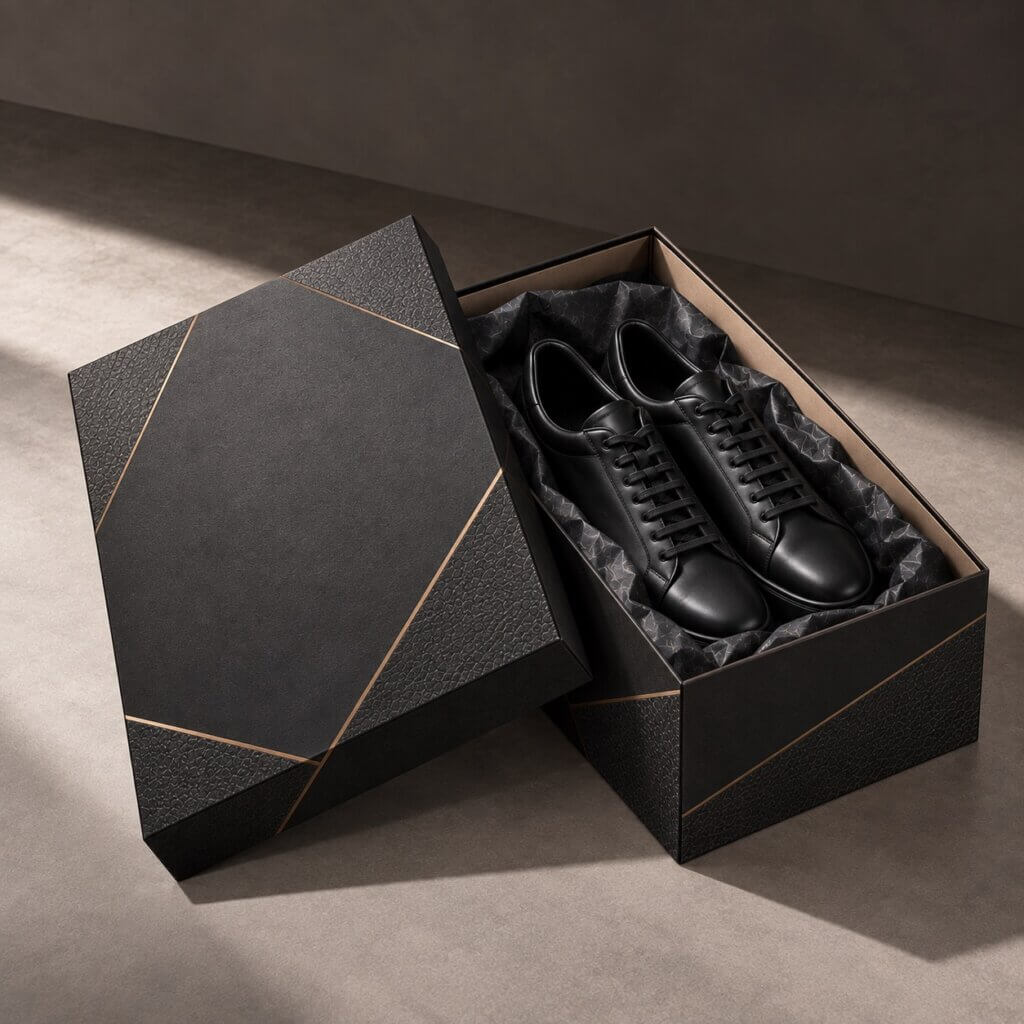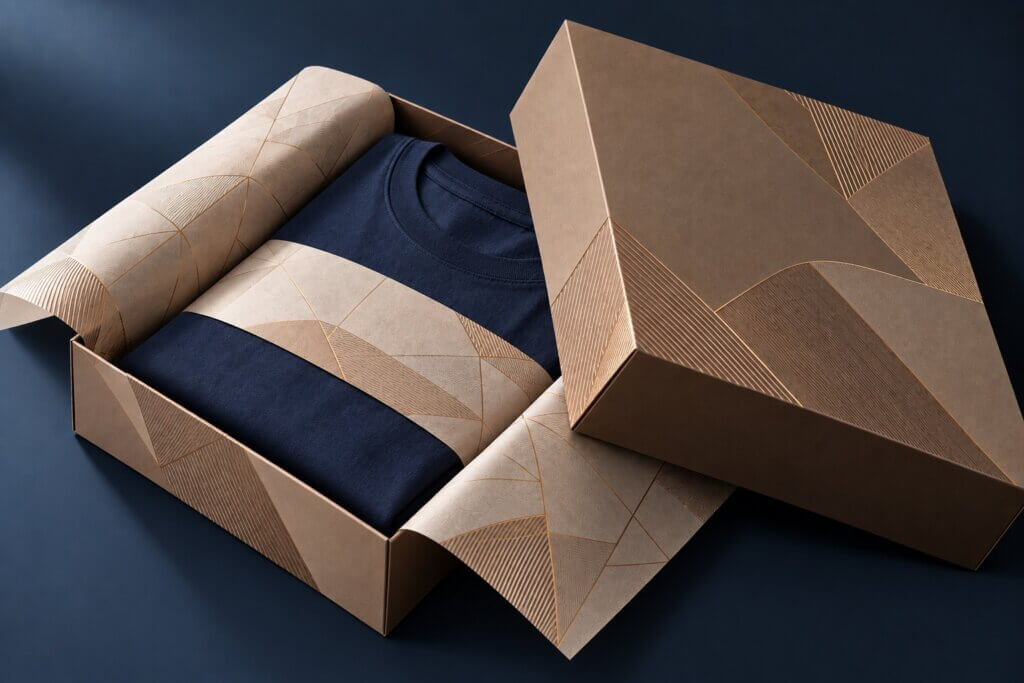

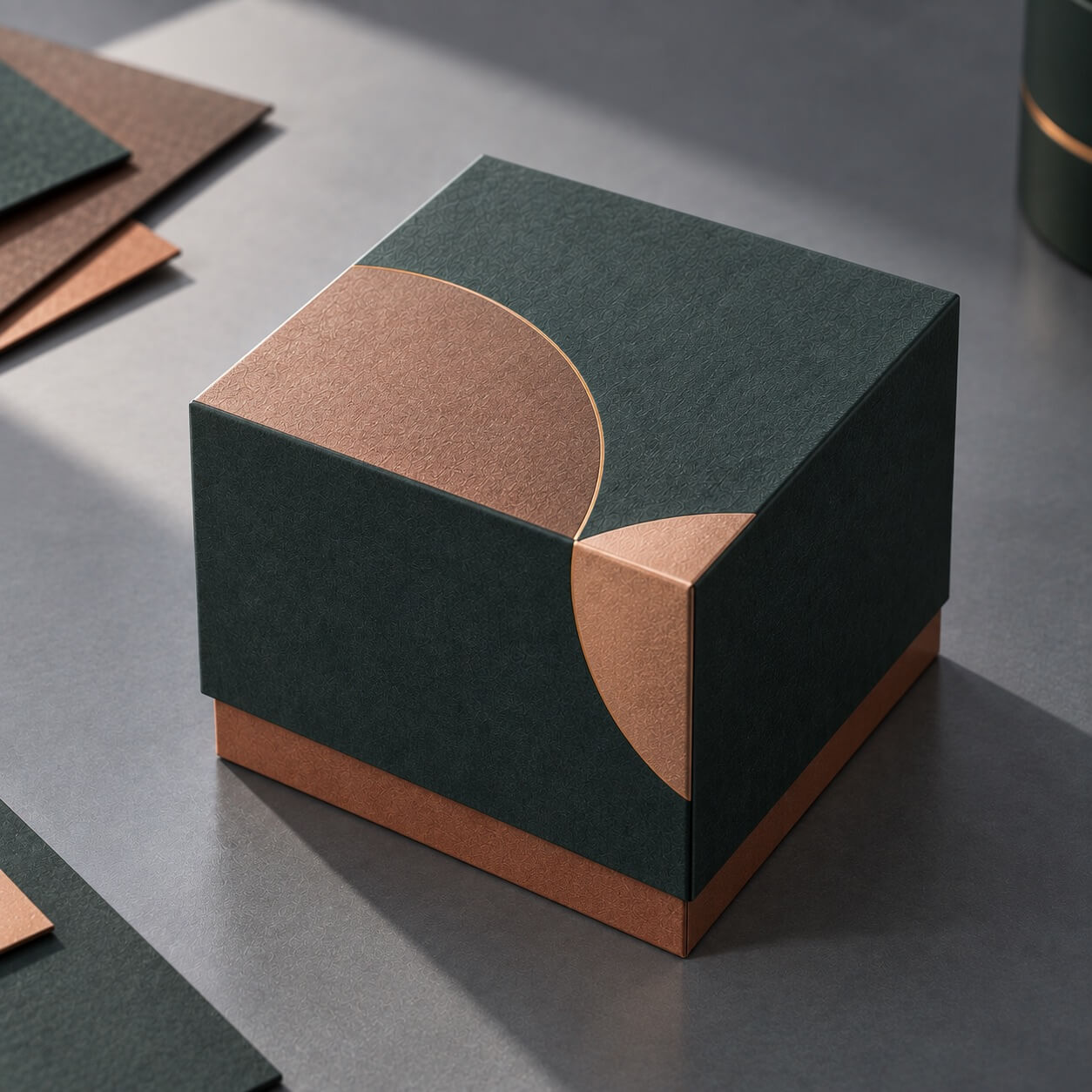
A telescoping box looks simple: a separate lid fits over a base, and the product sits inside. Yet two boxes with almost identical dimensions can feel surprisingly different when opened. One lid may lift smoothly with controlled resistance, another may slide off too easily, while a third may feel tight enough that the base lifts with the lid.
That difference is not created by one premium material or finishing process. In custom telescoping boxes and telescopic boxes, the opening experience comes from the relationship between lid depth, dimensional fit, board construction, wrapping paper, internal components, and production consistency. This is why a simple two-piece structure can require more engineering than its appearance suggests.
For brands comparing rigid set up boxes with drawer boxes, magnetic structures, or other custom packaging, understanding that relationship is more useful than choosing a box only from a reference photo.
A Telescoping Box Is Really a Relationship Between Two Parts
A rigid telescoping box is generally built from two independent components: a lid and a base. The lid is dimensioned slightly larger so that it can travel over the outside of the base. In a full telescope structure, the lid extends over most or all of the base depth when closed. A partial telescope uses a shallower lid, leaving part of the base visible.
That difference changes more than appearance. A deeper lid creates a longer contact path between the two components. This can make the closed package feel more integrated and substantial, but it also means that dimensional variation has more opportunity to affect the opening motion. A shallower lid has less overlap and is usually easier to remove, while also exposing more of the lower box as part of the visual design.
This is one reason gift boxes rigid in construction cannot be evaluated only by board thickness. Two boxes made from the same greyboard can behave differently if their lid depths, wrapped dimensions, corner geometry, or clearances are different.
The Fit Matters More Than Simply Making the Box Tight
It is tempting to assume that a tighter lid makes a better box. In practice, excessive tightness can be just as problematic as a loose fit.
If the clearance between the lid and base is too generous, the lid may move laterally, sit unevenly, or come off with almost no resistance. If the clearance is too small, friction increases. The customer may have to pull harder, and in extreme cases the entire base and product can rise with the lid before separating.
The goal is therefore not maximum tightness. It is controlled and repeatable movement.
This becomes especially important in luxury boxes packaging, where customers often notice small tactile details. The perceived quality of a box may depend on whether the lid stays aligned, begins moving cleanly, and separates from the base without wobbling or sticking. Finishes such as foil stamping or embossing may influence the visual impression, but they cannot correct an unstable lid-to-base relationship.
For a luxury packaging manufacturer, this means the opening action should be evaluated during structural sampling, not after artwork and finishing decisions have already been finalized.
Lid Depth Changes the Opening Experience
The difference between full and partial telescoping boxes is one of the most useful structural decisions to make early in a project.
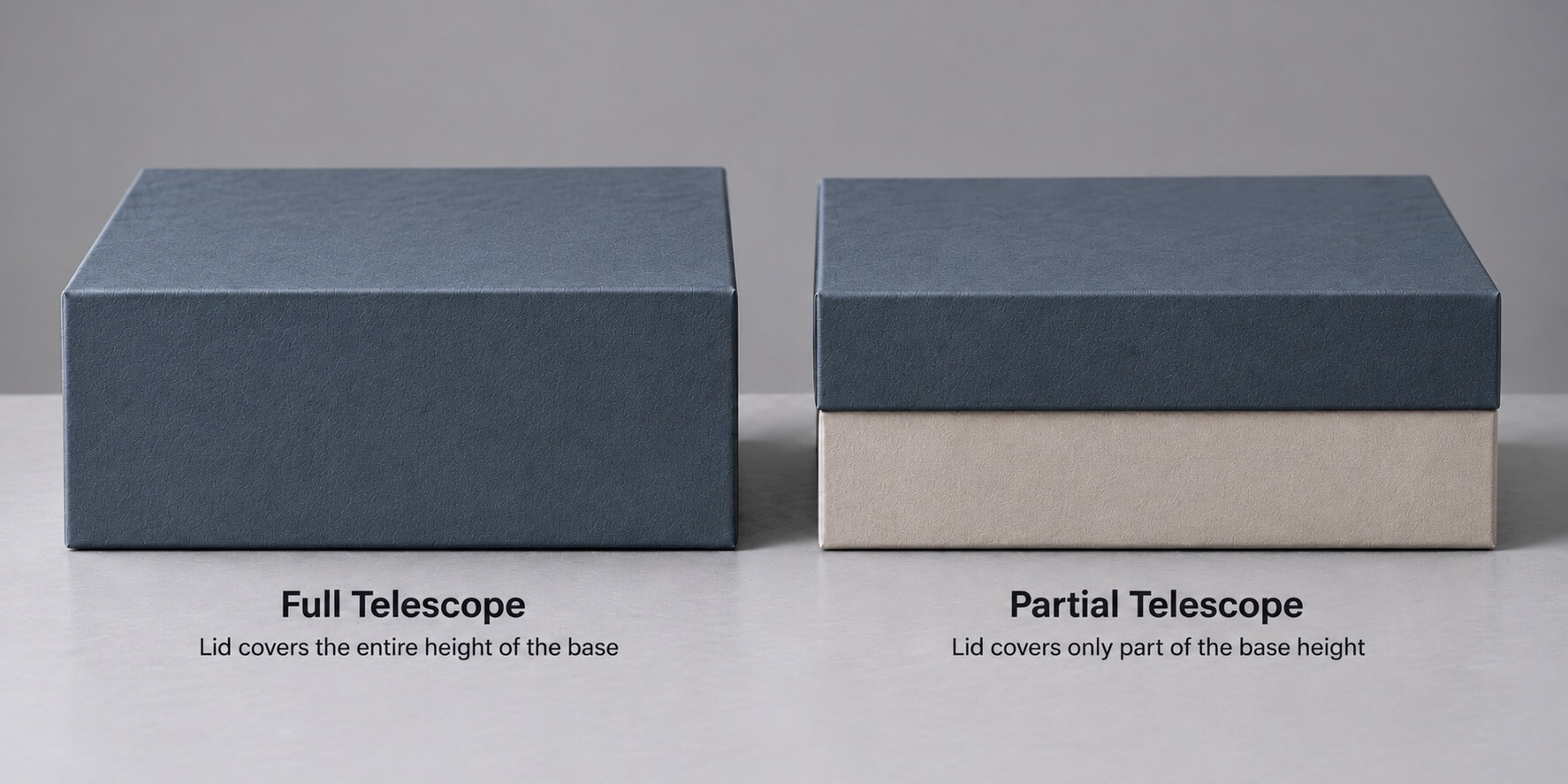
A full-depth lid provides extensive overlap and can create a clean, unified exterior. It can work particularly well for electronics, gift sets, apparel, and other products where a substantial two-piece presentation is desired. However, the longer sliding distance also makes the relationship between dimensions, surface friction, and production tolerance more noticeable.
A partial telescope exposes part of the base and shortens the distance the lid has to travel. This can make opening easier and also creates an opportunity to use contrasting papers or colors between the lid and base. Neither version is automatically more premium. The better choice depends on the intended opening action, product weight, box proportions, and visual direction.
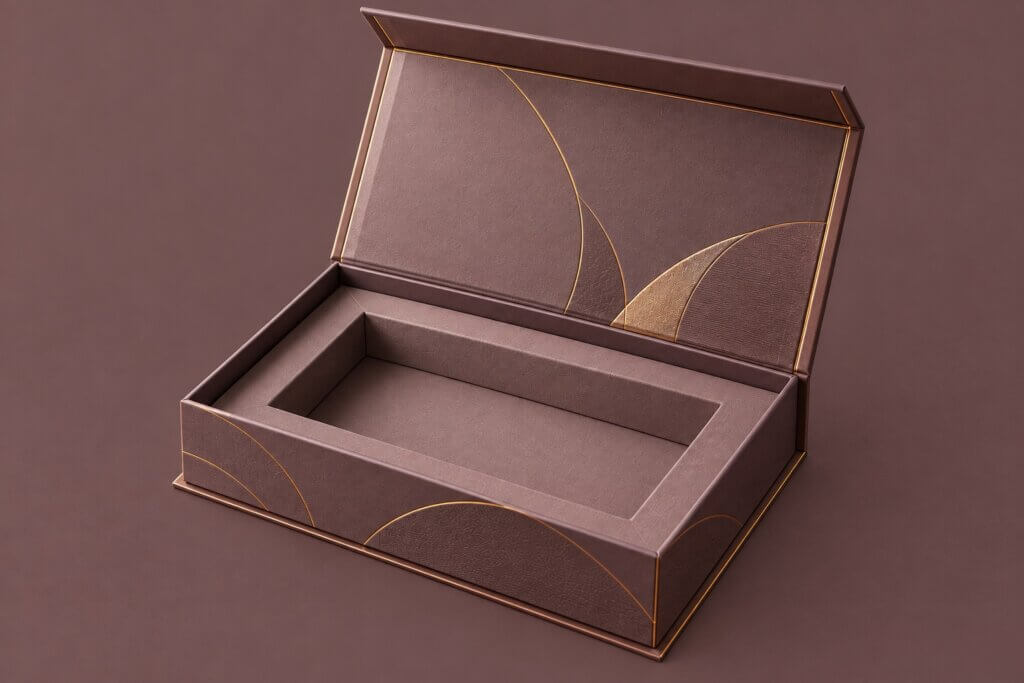
A shoulder-and-neck construction introduces another variation. Instead of the lid sliding along the entire outer base, an internal neck helps locate the lid. Booklet boxes and cardboard magnetic boxes create a different experience again because the opening path is controlled by a hinge or flap rather than a completely removable lid.
These structures may all appear within premium packaging projects, but they should not be treated as interchangeable.
The Product Inside Changes How the Box Feels
The outer box cannot be engineered in isolation from the product.
A small watch or custom packaging jewelry project may need precise positioning so the product remains centered when the lid is removed. Drone boxes, electronics kits, and products with multiple accessories usually need more internal organization because movement inside the package can affect both protection and presentation.
The insert can also change the practical weight and balance of the base. A lid that feels appropriate on an empty prototype may behave differently after the finished product, accessories, manuals, and insert are installed. This is why structural samples are more useful when they are tested with either the real product or an accurate weight-and-size substitute.
The same reasoning helps determine when a telescoping rigid box is unnecessary. Lightweight retail products such as custom lotion boxes or kraft paper soap boxes may be better suited to tuck top boxes when low shipping volume, faster packing, and efficient material use are more important than a rigid lift-off opening. Pillow box paper packaging can serve another group of lightweight products where a curved folding structure is sufficient.
Choosing a more substantial structure is not automatically an upgrade if the product does not need it.
Materials and Wrapping Add Another Layer of Tolerance
Rigid boxes are usually assembled from board components that are then wrapped with printed or specialty paper. That means the final outside dimension is not determined by greyboard alone.
Paper thickness, adhesive application, wrapping tension, turned edges, corner buildup, and board cutting accuracy can all contribute small dimensional changes. Individually, these changes may appear insignificant. Between a fitted lid and base, however, several small variations can accumulate into a noticeable difference in movement.
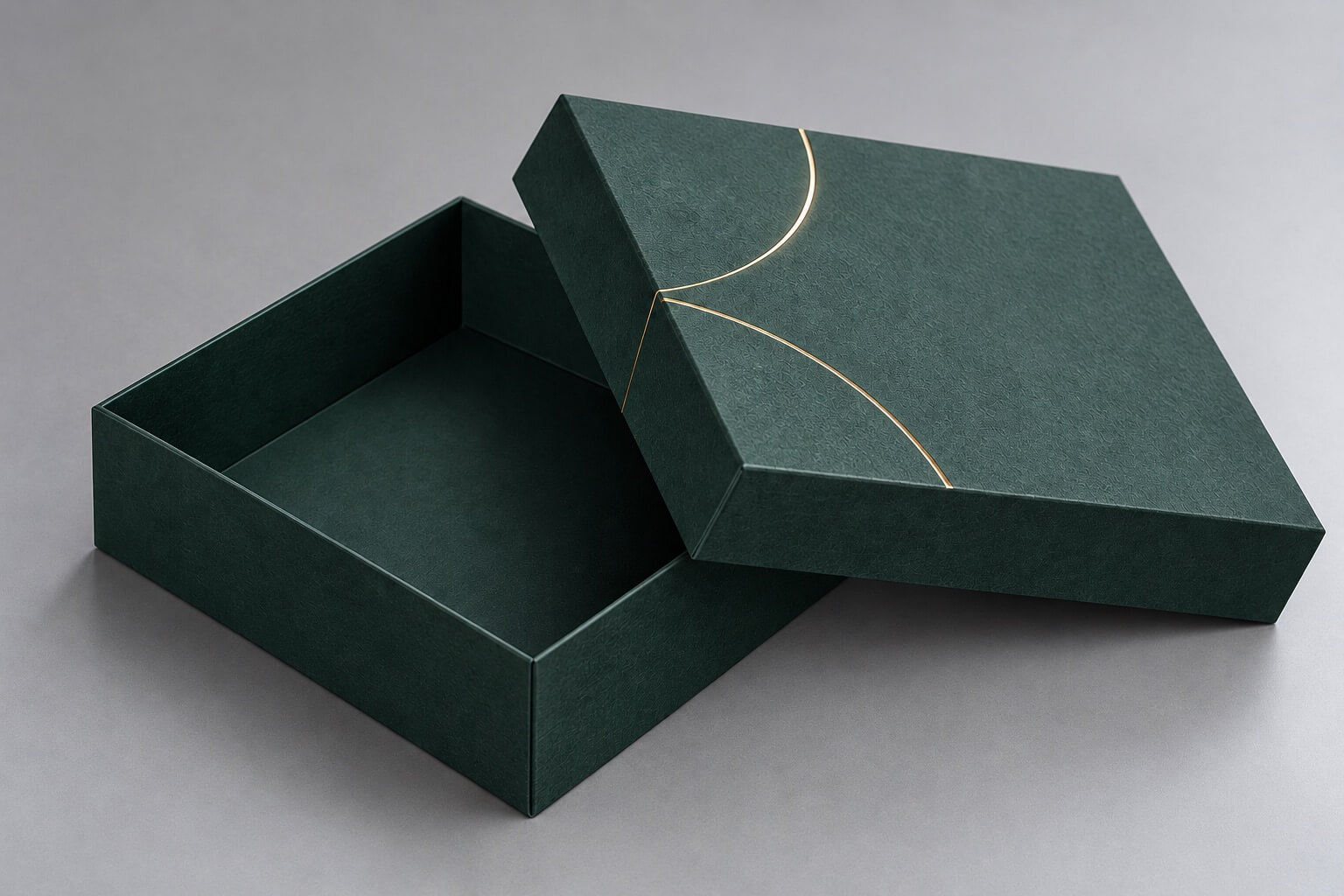
This is also why approving only the visual appearance of a sample is not enough. During sampling, the lid should be opened and closed repeatedly, checked with the intended insert and product, and reviewed for alignment from multiple sides. For production, the important question becomes whether that same relationship can be reproduced consistently across hundreds or thousands of boxes.
Experienced luxury packaging manufacturers therefore need to control a system of dimensions rather than one nominal box size.
Packaging Sleeves and Magnetic Closures Solve Different Problems
Sometimes brands add another component because they want the package to feel more secure or visually complete. But each component should have a clear purpose.
Custom packaging sleeves, for example, can add branding space, hold two components together, create seasonal variations, or allow one base package to support several SKUs. They should not be used simply to compensate for a lid that does not fit correctly. If a sleeve is necessary only to prevent a telescoping lid from moving, the underlying structure should be reviewed first.
The same applies when comparing telescoping boxes with magnetic cardboard boxes. Hidden magnets can create a positive closing point in a hinged structure, but they introduce their own requirements for magnet position, board recesses, hinge movement, and alignment. A removable telescoping lid achieves closure through dimensional fit instead.
The question is not which mechanism feels more luxurious. It is which mechanism best supports the product, opening sequence, production process, and customer experience.
Shipping Efficiency Should Be Considered Before the Structure Is Finalized
Rigid telescoping boxes are generally produced and shipped as assembled set-up structures rather than flat folding cartons. This can increase shipping and storage volume, especially when the boxes are large.
For products sold primarily through e-commerce, custom stationery shipping boxes, black shipping boxes, or mailer boxes may sometimes provide a more efficient outer shipping solution. A premium rigid box can then be protected inside a separate transit carton when the unboxing experience justifies the additional packaging.
This distinction matters because retail presentation packaging and transport packaging do different jobs. Trying to make one structure perform every function can add material and cost without necessarily improving the final result.
A Good Sample Should Answer More Than “Does It Look Right?”
Before approving a telescoping box for production, the sample should answer several practical questions. Does the lid remain aligned as it moves? Can the customer open it comfortably with the actual product inside? Does the base stay on the table instead of lifting with the lid? Is the overlap appropriate for the box proportions? Does the insert keep the product stable? And can the same opening behavior realistically be maintained during mass production?
At Demei Packaging, most custom packaging projects start from 500 pieces, but the final MOQ depends on the box type, structure, materials, and finishing requirements. Structural decisions and sampling should therefore happen before mass production, when dimensions, lid depth, inserts, and material combinations can still be adjusted.
A telescoping box does not feel refined simply because it is rigid or heavy. The quality comes from how its parts work together. When lid depth, clearance, materials, product weight, inserts, and production tolerances are considered as one system, a very simple lid-and-base structure can produce a controlled and consistent opening experience.