
Choosing a paper bag may seem straightforward, but the right specification depends on more than appearance. Size, gusset depth, paper strength, handle construction, printing, finishes, product weight, and order quantity can all affect performance and cost.
For buyers sourcing custom paper bags, the best starting point is not color or artwork. Start with what the bag needs to carry, how it will be used, and what level of presentation the product requires.
A takeaway restaurant, cosmetics retailer, jewelry brand, and wine shop may all use paper bags, but they should not necessarily use the same bag.
Start With the Product, Not the Bag
Before choosing paper, handles, or finishes, define the product: its dimensions, weight, shape, quantity per bag, and whether it needs to remain upright.
For example, custom take out bags usually need a wider base so food containers can sit flat. A wine bottle requires a taller and narrower format, while fashion or cosmetics products may need more width and side depth for multiple boxes.
This is why selecting a bag from a photograph alone can be misleading. Two bags may look similar from the front but provide very different usable space.
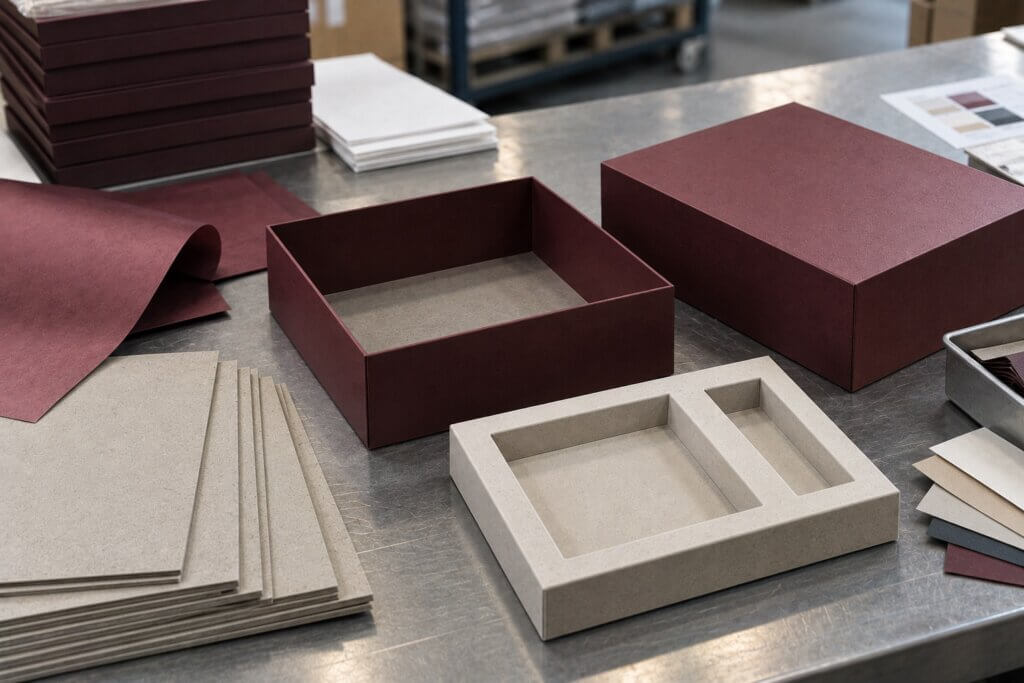
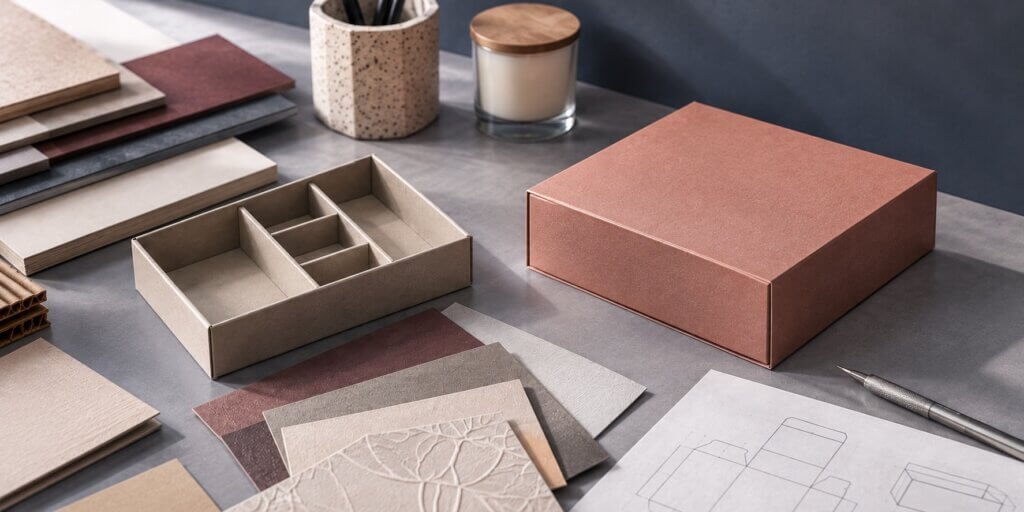
If a paper bag is only one part of a larger packaging project, comparing custom packaging types can also help determine whether a bag, folding carton, rigid box, or another structure is more suitable.
How Do You Choose the Right Paper Bag Size?
Paper bag dimensions are usually considered in terms of width, gusset, and height.
The gusset is the folded section that expands when the bag opens. It has a direct effect on capacity and product fit. Gusset paper bags are particularly useful for products with greater depth, such as food containers, shoe boxes, cosmetics sets, and multiple retail products.
Too little gusset depth can cause the bag to distort around the contents. Too much creates unnecessary empty space and uses more material.
The most reliable approach is to determine dimensions around the actual product arrangement and allow enough clearance for easy packing and removal. For larger orders, test the final dimensions with a physical sample and the real products.
Flat, Twisted, or Die-Cut Handles?
Handle construction affects appearance, comfort, cost, packing, and how the bag performs under load.
Paper bags with flat handles are widely used for takeaway, bakery, and everyday retail packaging. They are practical when production efficiency and cost are important.
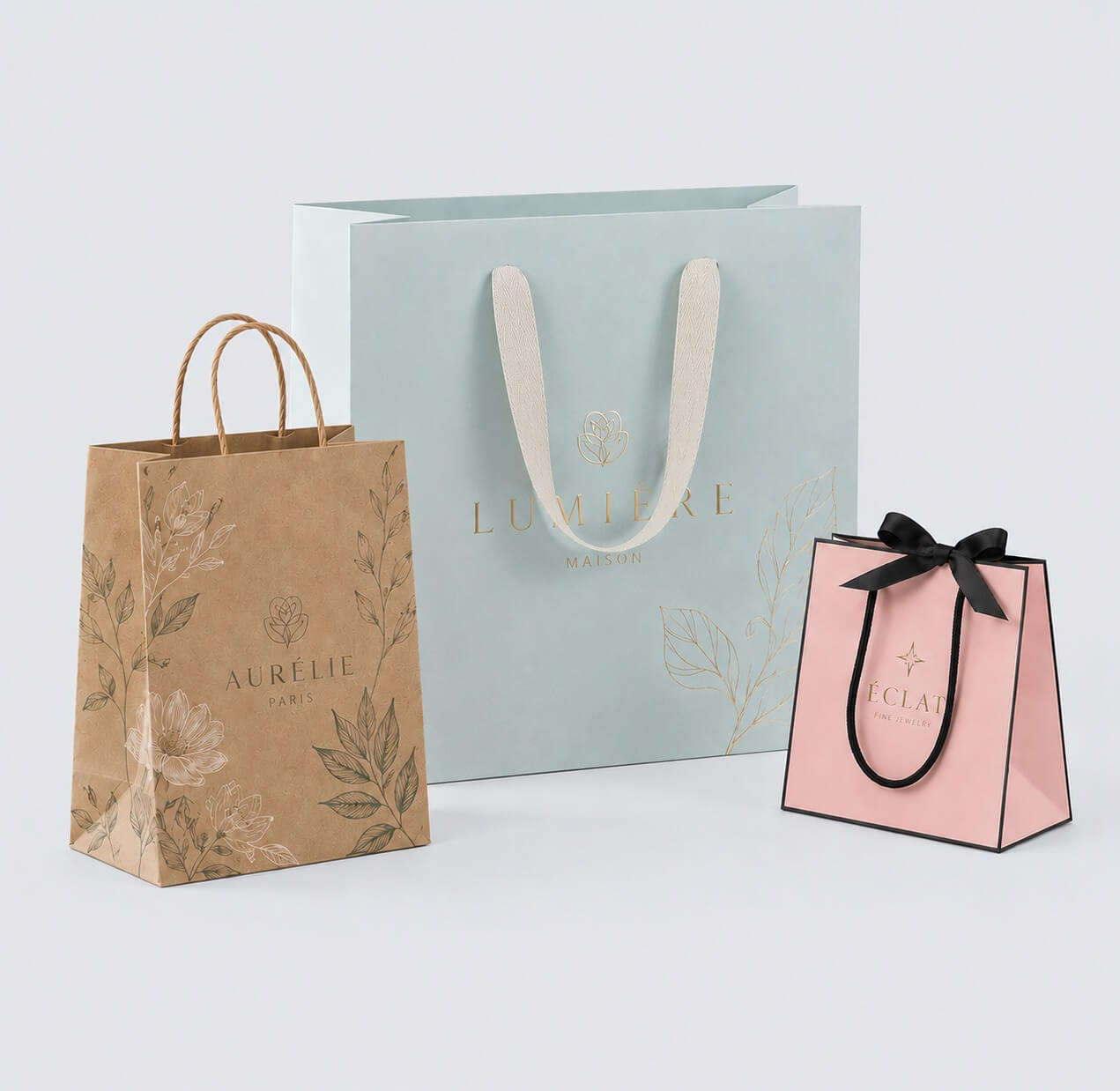
Twisted handle paper bags use twisted paper cords and generally create a more finished retail appearance. They are common for fashion, beauty, gifts, and branded shopping bags.
With d cut paper bags, or a die cut paper bag, the carrying opening is cut directly into the upper part of the bag. No separate handle is required, creating a clean and compact construction.
There is no single best option. A restaurant ordering high volumes may prioritize cost and packing efficiency, while a cosmetics or gift brand may place more value on presentation and carrying comfort.
Which Paper Material Should You Choose?
Paper affects strength, stiffness, print quality, texture, and price.
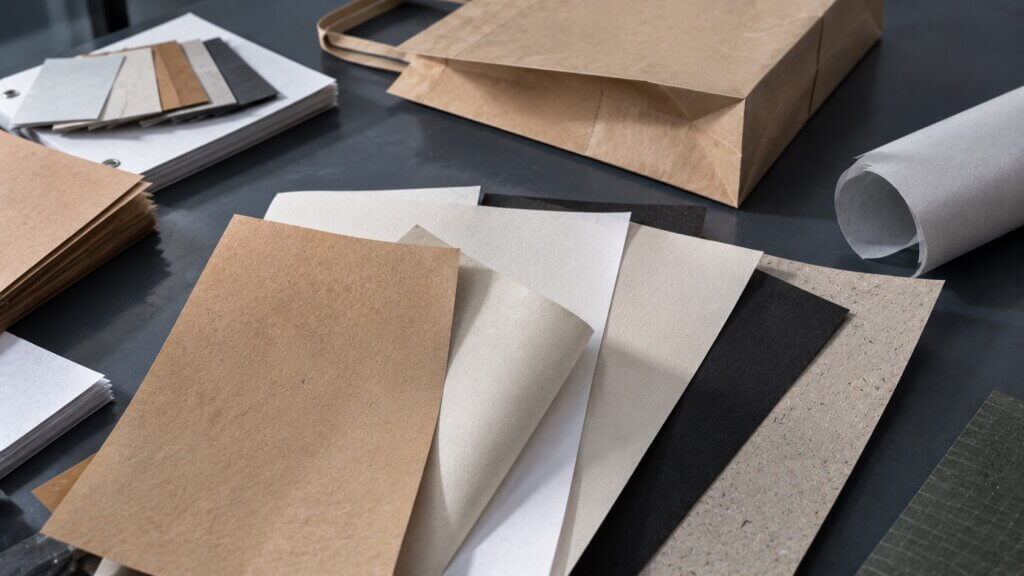
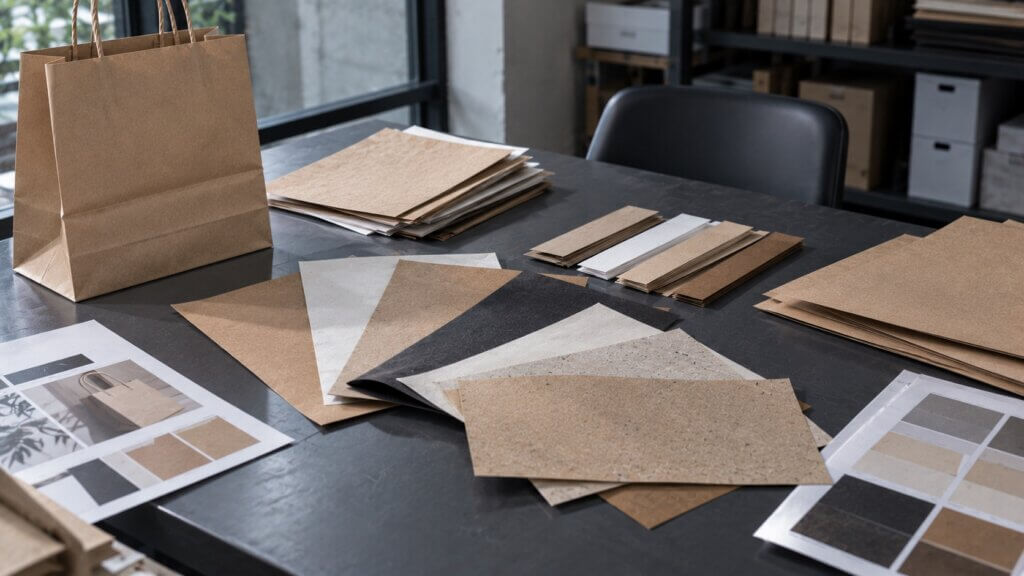
Kraft paper is commonly used when a natural appearance and straightforward construction are preferred. White paper provides a cleaner base for color printing, while coated papers can create smoother graphics and different surface effects.
Higher GSM does not automatically mean a better bag. Product weight, bag dimensions, handle reinforcement, paper properties, and construction all contribute to performance.
For example, food service paper bags may prioritize stable construction and efficient production. Small jewelry or beauty bags may use heavier or more tactile paper mainly to improve presentation.
The material should therefore match the application rather than simply using the thickest paper available.
How Much Printing and Finishing Do You Need?
A restaurant takeaway bag may only need a logo and brand colors. Retail, beauty, jewelry, wine, and gift bags often play a larger role in product presentation.
Luxury paper bags may use specialty papers, lamination, foil stamping, embossing, or other finishes. A black glossy paper bag, for example, creates a very different appearance from an uncoated kraft bag even when their dimensions are identical.
But every additional finish can increase cost and production complexity. Buyers should invest in processes that customers can actually see or feel rather than adding finishes simply because they are available.
Match the Paper Bag to Its Application
Different applications place different demands on a bag.
Custom paper bags for restaurants and takeaway businesses usually need stable bottoms, practical dimensions, and handles suitable for the expected load. Wider bases are especially useful for multiple food containers.
A wine gift paper bag requires a taller proportion and enough stability for a bottle. Jewelry and cosmetics bags are generally smaller and can place greater emphasis on paper quality and presentation.
Additional features can also solve specific problems. Paper bags with windows allow part of the product to remain visible. Tin tie paper bags provide a reclosable top commonly used for coffee, bakery products, and dry foods.
The application should determine the specification—not the other way around.
What Affects the Cost of Custom Paper Bags?
Several variables determine the final price of a custom paper bag.
Size affects paper consumption, while paper grade and weight affect material cost. Handle type, printing coverage, lamination, foil, embossing, windows, reinforcement, and other special processes can add further cost. Order quantity also matters because setup costs are distributed across the production run.
This means reducing paper weight is not always the best way to lower the price.
Changing an oversized bag to a better-fitting size, simplifying the handle, reducing unnecessary finishing, or adjusting the order quantity may save money without noticeably reducing packaging quality.
The better sourcing question is therefore not:
“What is the cheapest paper bag?”
It is: “What specification gives my product the required performance and presentation at the right cost?”
What Should You Send a Supplier for an Accurate Quote?
An accurate quotation requires an accurate specification.
Ideally, provide:
- Bag dimensions
- Product type and approximate weight
- Order quantity
- Preferred paper
- Handle type
- Printing colors or artwork
- Required finishes
- Reference images or an existing sample
If the exact bag size is unknown, product dimensions and weight can help the supplier recommend a starting specification.
This is especially important when comparing quotations. A lower unit price may reflect thinner paper, a different handle, simpler printing, fewer finishing processes, or different packing rather than a genuinely lower price for the same product.
For custom paper bags with handles, even apparently small differences in paper, reinforcement, handle construction, and dimensions can change both cost and performance.
Choose the Bag as a Complete Packaging System
The best custom paper bag is not necessarily the one with the heaviest paper or the most expensive finish.
It is the one that balances product fit, size, handle, material, printing, production efficiency, and cost.
For takeaway packaging, that may mean a stable base, practical gusset, and economical paper handles. For beauty, jewelry, wine, or gift packaging, the balance may shift toward tactile materials and stronger visual presentation.
When these decisions are made together, the result is easier to manufacture, more practical to use, and less likely to include packaging features the buyer is paying for but does not actually need.